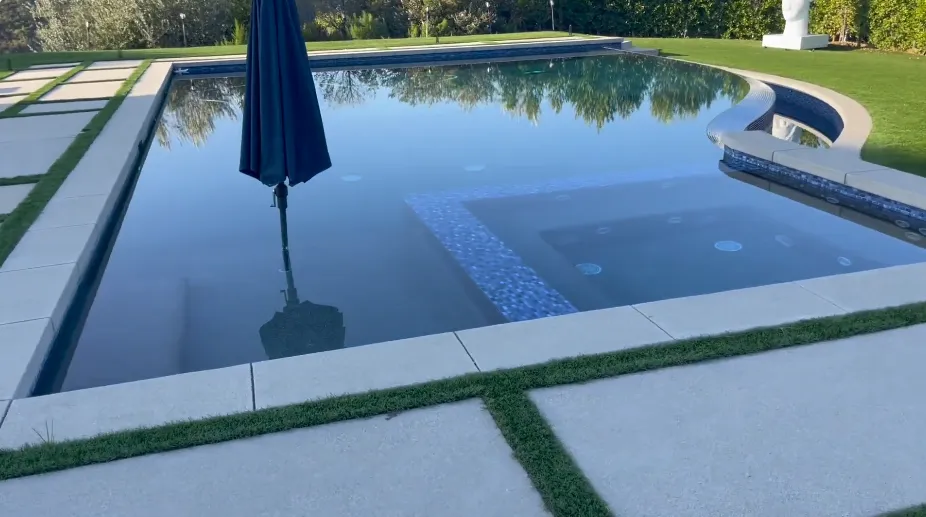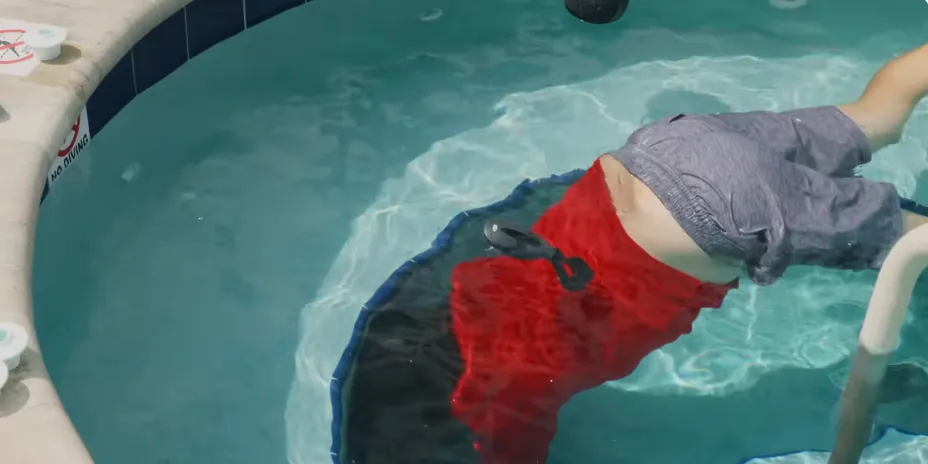
Concrete pools most often leak at cracks in the shell, the skimmer-to-shell joint, the tile line and light niches. Fiberglass pools usually leak at fittings and around the skimmer and lights where they pass through the shell. Vinyl liner pools leak through tears, punctures and loose faceplates. All three can leak in the buried plumbing, and a saltwater system adds no special leak risk to the shell but can affect metal parts and equipment.
- Plumbing leaks are common to every pool type.
- Concrete: cracks, skimmer joint, tile line, light niche.
- Fiberglass: fittings and penetrations through the shell.
- Vinyl: tears and punctures in the liner, plus faceplates.
Concrete (Gunite/Shotcrete) Pools
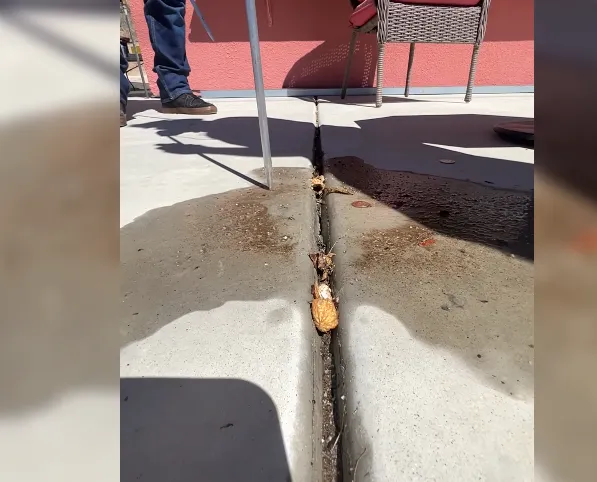
Concrete pools are rigid, so ground movement and age show up as cracks. Common leak points include structural cracks in the floor or walls, the joint between the plastic skimmer and the concrete, the tile line where it meets the shell, the light niche and its conduit, and fittings set into plaster. Our pool shell crack page explains how cracks are tested.
Fiberglass Pools
Fiberglass shells are one piece and flexible, so the shell itself leaks less often. Leaks usually occur where something passes through the shell: skimmers, returns, lights and main drains, where gaskets and seals age. Stress cracks can also appear, especially if the pool was installed on poorly compacted ground.
Vinyl Liner Pools
A vinyl liner can tear or be punctured by sharp objects, roots or pool toys, and liners shrink and become brittle with sun and age. Faceplates and gaskets at skimmers, returns and lights can loosen. Small holes are easy to miss; a dye test along the floor and walls helps. See our pool dye test guide.
What About Saltwater Pools?
Saltwater describes the sanitizing system, not the shell. A salt pool can be concrete, fiberglass or vinyl, and it leaks in the same places as its shell type. Salt can be harder on some metal parts, heaters and natural stone coping, so keep an eye on equipment and decking.
Plumbing Leaks Happen in Every Type
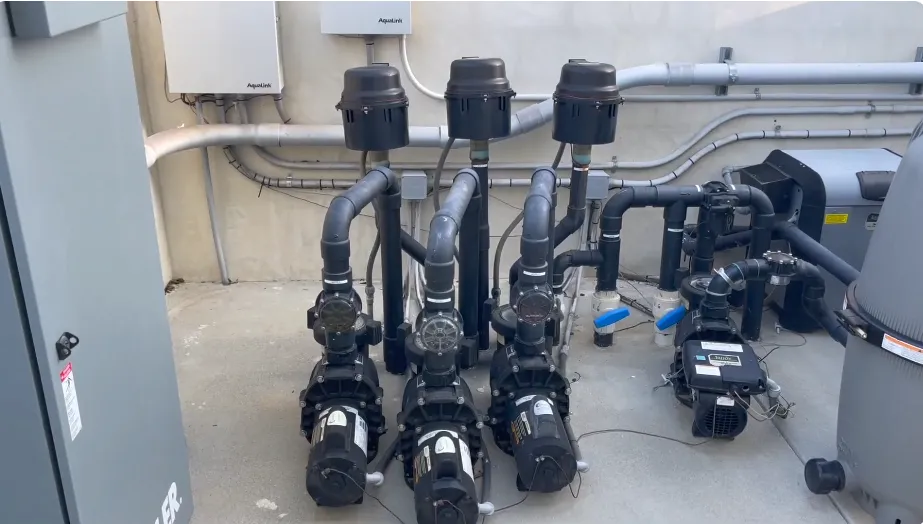
Whatever the shell, the buried suction and return lines between the pool and the equipment pad can leak. If the pool loses more water with the pump running, suspect the pressure side; more with the pump off, suspect the suction side. Start with a bucket test, then professional pool leak detection can pressure test each line.
Frequently Asked Questions
Which pool type leaks the most?
Any type can leak. Concrete pools are prone to cracks, vinyl to tears, and fiberglass to fitting leaks. Plumbing leaks affect all of them.
Do saltwater pools leak more?
Not because of salt alone. They leak where their shell type leaks, but salt can be harder on metal parts and some stone.
Can a vinyl liner leak be patched?
Small tears can often be patched, even underwater. Large or brittle liners may need replacement.
How is a fiberglass pool leak found?
By dye testing fittings and penetrations, pressure testing lines, and listening for leaks underground.
How do I get a quote?
Call (813) 303-9621, mention your pool type and how fast it is losing water, and a local provider can give you a free quote.