On this page
Propane disappearing fast?
If you smell gas, leave and call 911 first. For testing after it's safe:
(813) 303-9621Free call connection · Open 24/7 · Plant City, Brandon, Valrico, Seffner & DoverPropane line leak detection checks the piping that carries propane from a tank to a home's appliances: the buried or exposed line from the tank, the regulators, and the interior piping and connectors. A provider pressure tests the system to see if it holds, then uses electronic gas detection and leak solution to find the leaking fitting, regulator or section of line.
Safety Comes First
If you smell gas: leave the building and the area near the tank right away. Don't use switches, phones, lighters or vehicles nearby. From a safe distance, call 911 and your propane supplier. If you can safely reach the tank's service valve, your supplier may tell you to close it. Never re-enter until responders say it's safe.
Propane is heavier than air, so a leak can collect in low spots: crawlspaces, basements, ditches and around the base of appliances. The added odor smells like rotten eggs or sulfur. This page covers leak detection after the immediate danger has been handled. For natural gas, see gas line leak detection.
Who Owns Which Part?
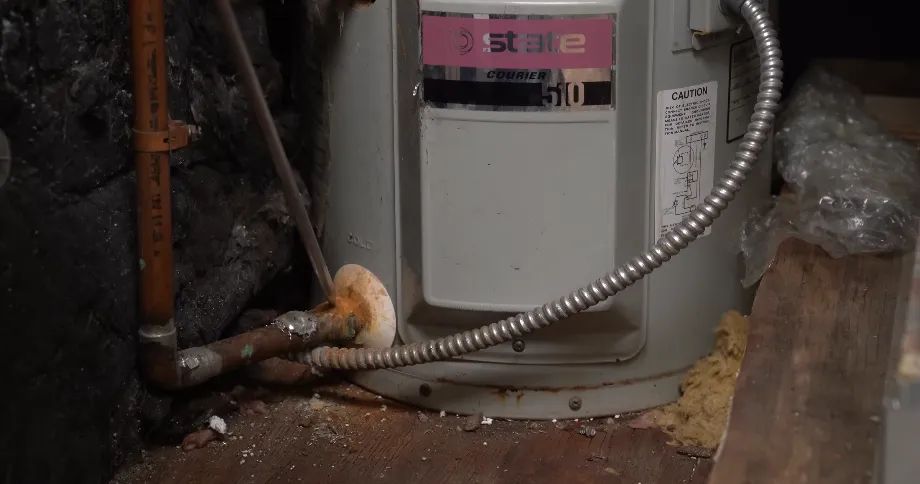
Arrangements vary. Often, a leased tank, its valves and the first-stage regulator are the supplier's responsibility, while the line from the tank to the house and the interior piping belong to the property owner. If you own your tank, more of the system may be yours. Check your supply agreement or ask your supplier. Propane also commonly feeds water heaters on rural properties.
Many suppliers also perform a leak check when they first fill a tank, after an out-of-gas event, or when service is interrupted. If that check fails, you may need the piping tested and repaired before service is restored.
Signs of a Propane Leak
- Rotten-egg or sulfur odor near the tank, lines or appliances
- Hissing near the tank, regulator or a fitting
- Propane level dropping faster than your usage explains
- Frost on a regulator or fitting in warm weather
- Dead grass or plants along the buried line
- Bubbles in puddles over the line route
- Appliance flames that are yellow or unstable
How Are Propane Lines Tested?
- Shut and isolate: the tank service valve and appliance valves are closed.
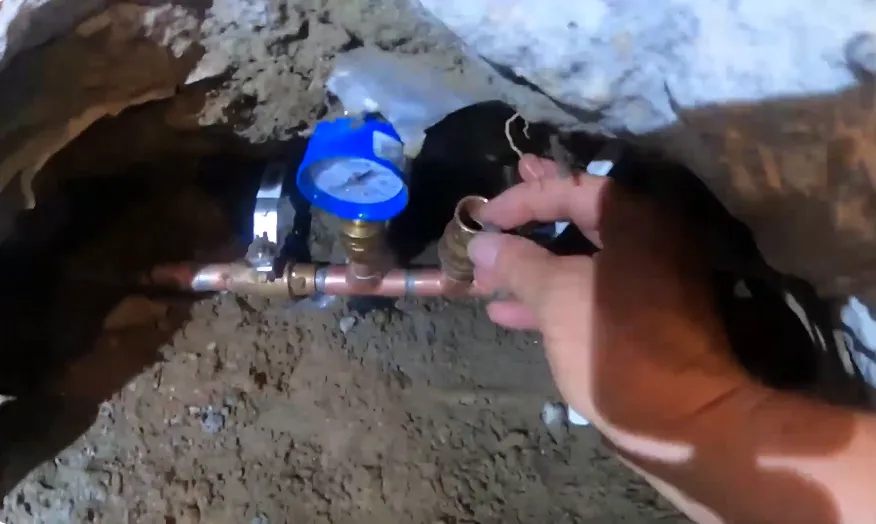
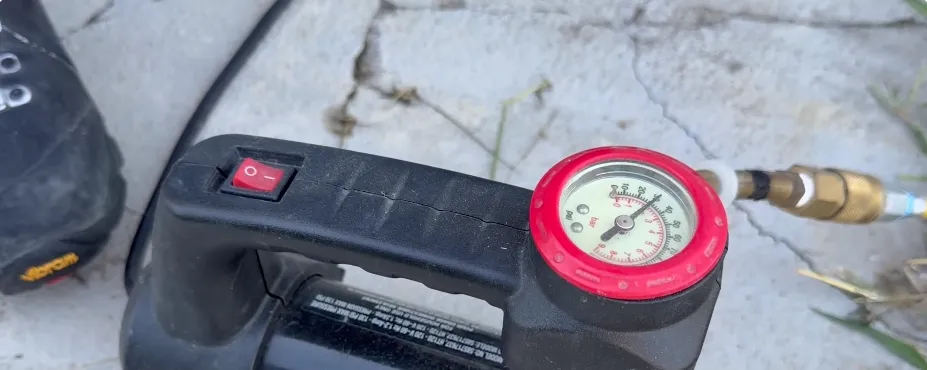
- Pressure test: a gauge or manometer is installed, the system is brought to test pressure, and watched for a set time.
- Section testing: the tank-to-house line and interior piping are tested separately.
- Locate: electronic combustible gas detectors and leak solution find the exact fitting, regulator or connector.
- Buried line: the route is traced and checked at the surface and at risers.
Pro tip: Write down your tank gauge reading on a day when nothing is using propane, and again a day or two later. A drop with nothing running is worth a call.
Propane Around Plant City
Many rural homes and farms in and around Plant City, from Keysville and Hopewell to Dover, are outside natural gas service and rely on propane for water heaters, ranges, dryers, pool heaters and generators. Long buried runs across pasture, farm equipment, and digging for fences or irrigation are common ways those lines get damaged. Homes on wells often have both systems to check; see well line leak detection.
After the Leak Is Found
Repairs may include tightening or replacing fittings, replacing a regulator, or repairing or replacing a buried line, followed by a final pressure test before service is restored. Call (813) 303-9621 for a free quote, available for leak detection across Plant City.
Propane Line Leak Detection FAQs
What should I do if I smell propane?
Leave the building and area, avoid any spark sources, and call 911 and your propane supplier from a safe distance. Don't go back until it's declared safe.
Why is my propane running out so fast?
Higher usage in cold weather, new appliances, or a leak can all cause it. If usage hasn't changed, have the system leak-tested.
Who is responsible for propane line repairs?
It depends on whether you lease or own the tank and your supply agreement. Often the supplier handles the tank and first regulator, and the owner handles the lines to and inside the house.
Can a buried propane line be tested?
Yes. The line is pressure tested and its route is traced and checked for gas at the surface and at risers.
How do I get a quote for propane line leak detection?
After the area is safe, call (813) 303-9621 and describe your tank and appliances. A local provider can give you a free quote.