On this page
- When Does a Whole-Home Inspection Make Sense?
- What Does a Whole-Home Leak Inspection Cover?
- How Is a Whole-Home Inspection Different From Regular Leak Detection?
- Which Small Signs Point to a Hidden Leak Somewhere?
- What Should Plant City Homeowners Watch For?
- What Can You Do Before the Inspection?
- What Happens During the Inspection?
- What Happens After the Inspection?
- What Shapes a Whole-Home Inspection?
- FAQs
Want the whole house checked?
Call now to be connected with a provider for a residential leak inspection.
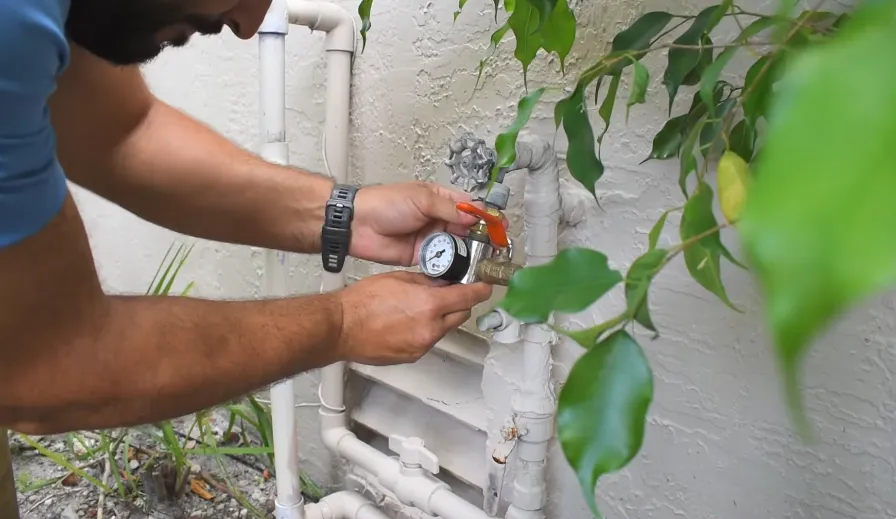
(813) 303-9621Free call connection · Open 24/7 · Plant City, Brandon, Valrico, Seffner & DoverA whole-home leak inspection is a top-to-bottom check of a house's plumbing for leaks you can and can't see. A provider pressure tests the supply system, checks the meter, listens at fixtures and valves, scans walls and floors with thermal and moisture tools, and reviews the water heater, drains, irrigation and pool, then gives you a list of what was found and what needs attention.
When Does a Whole-Home Inspection Make Sense?
Most leak calls start with one clear symptom: a stain, a warm floor, a soggy lawn. But sometimes the clue is vague. The water bill crept up, the meter moves a little at night, or the house just smells damp. In those cases, chasing one area at a time can miss the real source. A whole-home inspection works through the entire system in order, so nothing is skipped.
It also makes sense without any symptom at all:
- You just bought an older home, or the house is 20+ years old with original pipes.
- You're about to renovate a kitchen or bathroom and want to know what's behind the walls.
- You had one leak and want to know if the rest of the plumbing is in similar shape.
- You're leaving the house empty for a season, or you've just returned.
- Hurricane season is coming and you want to know the system and the shut-off valves are sound.
For buyers specifically, see pre-purchase leak inspection.
What Does a Whole-Home Leak Inspection Cover?
| Area | What's checked |
|---|---|
| Water meter & service line | Leak indicator test, house-valve isolation, signs along the line route |
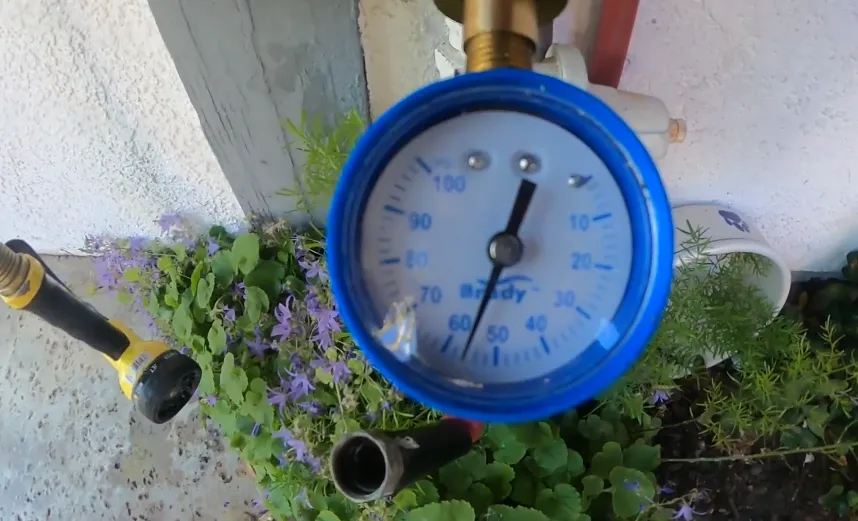
| Supply system | Static pressure test, hot/cold isolation, acoustic listening at valves |
| Fixtures | Toilets (dye test), faucets, angle stops, supply hoses, shower valves |
| Appliances | Ice maker, dishwasher, washing machine hoses, water softener or filter |
| Water heater | Fittings, relief valve, drain valve, tank condition, constant-run check |
| Walls, ceilings & floors | Thermal scan and moisture readings in wet rooms and below bathrooms |
| Drains | Flow and odor checks; camera inspection if signs point to the sewer |
| Outdoors | Hose bibs, backflow preventer, irrigation zones, pool and equipment pad |
How Is a Whole-Home Inspection Different From Regular Leak Detection?
Targeted leak detection starts from a symptom and follows it to a source. A whole-home inspection starts from the system and works outward, checking each part whether or not it shows a problem. It's broader and more systematic, and it often turns up small issues, like a weeping angle stop, a toilet flapper that runs, or an irrigation valve that doesn't fully close, before they cause damage.
If a real leak is confirmed during the inspection, the provider switches to targeted methods, such as slab leak pinpointing or thermal tracing in a wall, to locate it precisely. It's the same toolkit offered through all Plant City leak detection services, applied to the whole house at once.
Which Small Signs Point to a Hidden Leak Somewhere?
- A water bill that has crept up over several months
- The meter's leak indicator moving slowly with everything off
- A faint musty smell that comes and goes
- A water heater that seems to run more than it used to
- Lower pressure at one end of the house
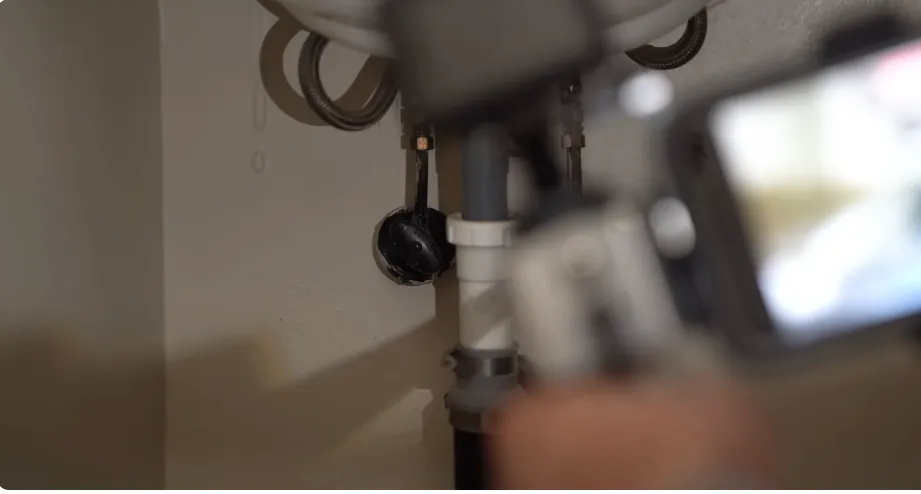
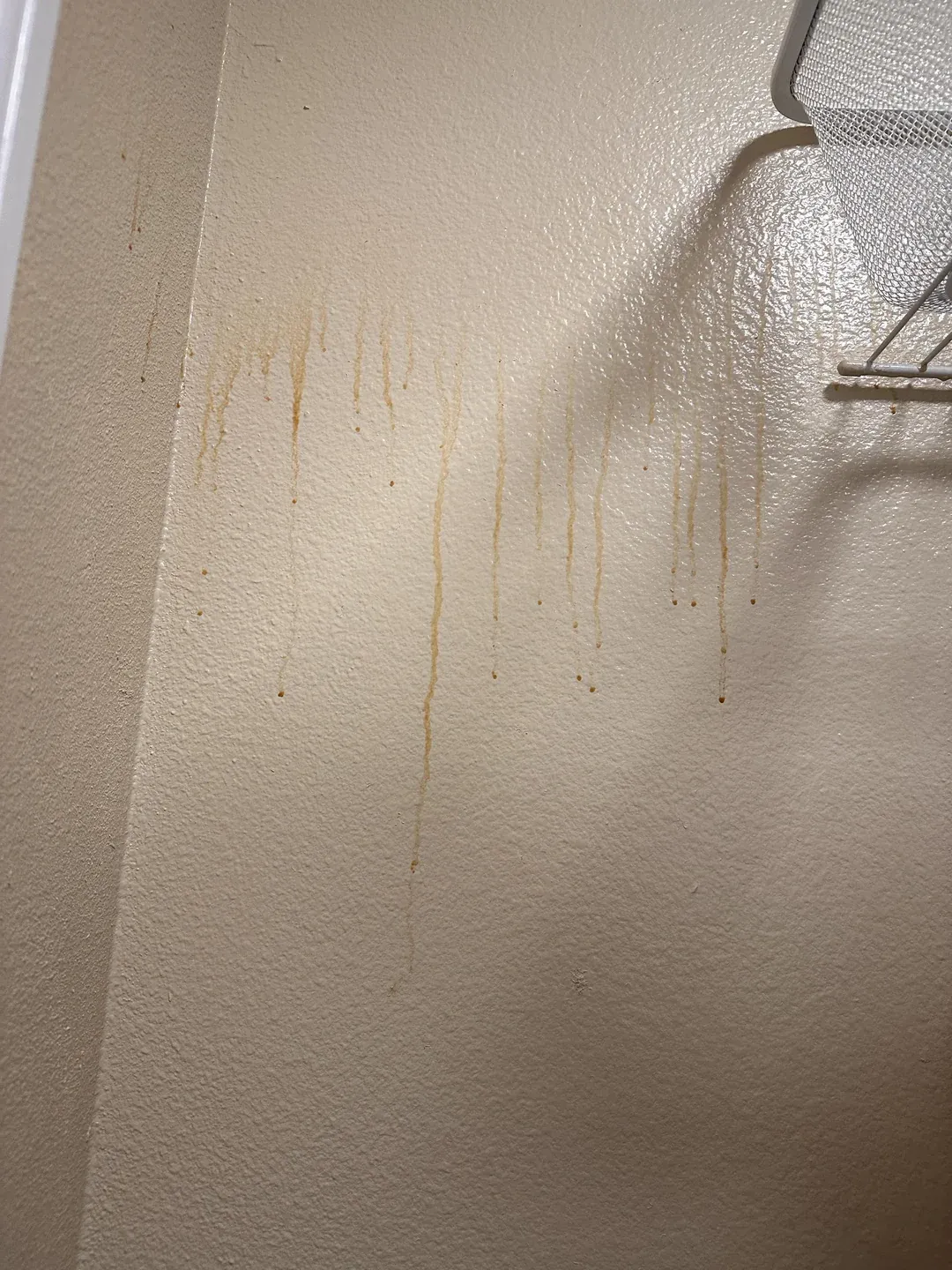
- Small stains under sinks or behind the toilet
- Paint or caulk failing around a tub or shower
- Patches of yard that never quite dry out
What Should Plant City Homeowners Watch For?
Local conditions shape what an inspection focuses on. Homes on slabs over sandy soil are checked carefully for under-slab supply leaks. Older homes with copper are checked for pinholes, and homes in older parts of town may still have galvanized supply lines or cast iron drains. Hard, mineral-rich water from the Floridan aquifer can wear on water heaters, valves and fixture cartridges.
Seasonal factors matter too. Summer storms and hurricane season test roofs and windows, so stains are checked to rule out weather intrusion. Rare winter freezes can crack exposed hose bibs and backflow preventers. And pools, common in neighborhoods like Walden Lake and North Park Isle, are added to the checklist when present.
What Can You Do Before the Inspection?
- Gather your last few water bills to show any trend.
- Do a meter test and note the result.
- Clear access to the water heater, under sinks, the main shut-off, the meter box and the irrigation controller.
- List any past repairs or repipes you know about.
- Note anything odd: a sound, a smell, a stain, a warm spot.
Pro tip: Take a photo of your meter reading the night before and again in the morning without using water. That one comparison often tells the provider more than anything else.
What Happens During the Inspection?
- Outside first: meter, service line, hose bibs, backflow, irrigation and pool equipment.
- System tests: pressure and isolation tests to see whether any leak exists and roughly where.
- Room by room: kitchen, bathrooms, laundry, water heater, then thermal and moisture scans.
- Targeted pinpointing if a leak is confirmed.
- Report: a list of findings, photos, and what needs attention now versus later.
What Happens After the Inspection?
You'll get a clear picture of where the plumbing stands: what's leaking now, what's worn and likely to fail, and what's in good shape. Small items such as a toilet flapper, a supply hose or an irrigation head are often quick fixes. Bigger findings, like a confirmed slab leak or several pinholes on one line, come with options so you can decide between a spot repair and a reroute, and plan the timing.
Keep the report with your home records. It's useful for future plumbers, for insurance questions, and if you ever sell the house.
What Shapes a Whole-Home Inspection?
| Factor | Why it matters |
|---|---|
| Home size and bathrooms | More fixtures and rooms to check. |
| Pool, spa or irrigation | Each adds its own set of tests. |
| Home age | Older homes may need more attention to pipes and drains. |
| Access | Cluttered cabinets, attics and closets slow things down. |
Call (813) 303-9621 for a free quote.
Whole-Home Leak Inspection FAQs
What is a whole-home leak inspection?
It's a systematic check of a home's entire plumbing system, including the supply lines, fixtures, appliances, water heater, drains, irrigation and pool, to find leaks and weak spots, even when there's no single obvious symptom.
How often should I have my plumbing inspected?
There's no fixed rule. Many homeowners check their meter a few times a year and schedule a full inspection when buying, after a leak, before a renovation, or when the home has aging pipes.
Will the inspection damage my home?
No. Inspection uses meters, gauges, acoustic tools, thermal cameras and moisture meters. Nothing is opened unless you approve a repair after a leak is found.
Can an inspection find leaks I don't know about?
Yes. Small leaks like a running toilet, a weeping valve or a slow irrigation leak are commonly found during a full inspection.
Do you inspect rental homes?
Yes. Landlords and property managers use whole-home inspections at turnover or after tenant complaints.
How do I get a quote for a whole-home leak inspection?
Call (813) 303-9621 to be connected with a local provider who can give you a free quote based on your home.