On this page
Filing a water damage claim?
Clear findings help your adjuster and contractors. Call to reach a provider.
(813) 303-9621Free call connection · Open 24/7 · Plant City, Brandon, Valrico, Seffner & DoverLeak documentation for insurance is a written record of a leak detection visit: what was tested, where the leak was found, what failed, and how far moisture spread, with photos, thermal images and moisture readings. Homeowners, property managers and adjusters use it to understand the cause and origin of water damage. Coverage decisions are made by your insurer under your policy.
Why Documentation Matters
Water damage claims often turn on the details: was it a sudden pipe failure or a long-term seep? Which line failed? Is the damage from plumbing or from rain getting through the roof? Without clear findings, those questions are hard to answer, and repairs can stall.
A documented leak detection visit gives everyone the same facts: the homeowner, the adjuster, the plumber and the restoration company. It also helps you avoid opening walls and floors in the wrong places before the adjuster has seen the damage.
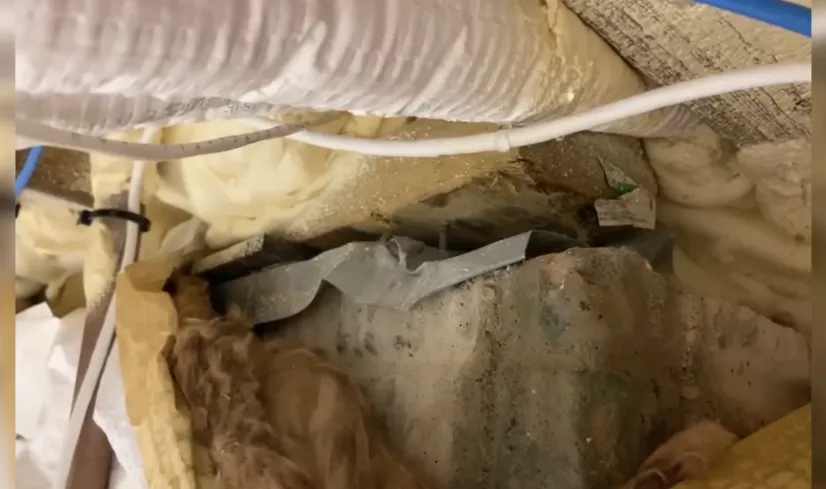
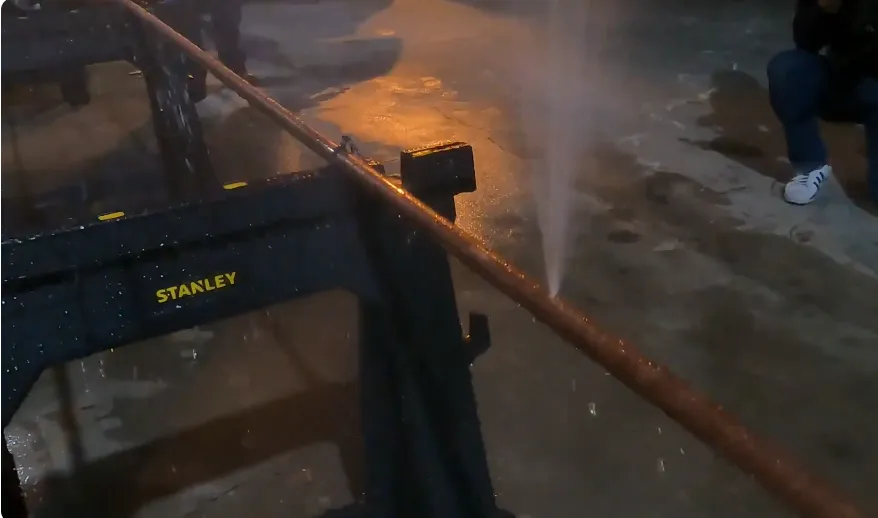
Documentation is especially useful for leaks that are hard to see, such as a slab leak under tile or a pinhole inside a wall, where the damage may be visible long before the source is. A clear record connecting the two, which line failed and how the water reached the damaged area, is often what an adjuster needs to understand the claim. It also gives your repair contractor and drying company a shared starting point, so work isn't duplicated or delayed.
What Good Documentation Includes
- Property and date of the visit, and who was present
- Symptoms reported and when they started
- Tests performed: meter test, pressure tests, isolation, acoustic, thermal, tracer gas or camera
- Location of the leak, marked and photographed
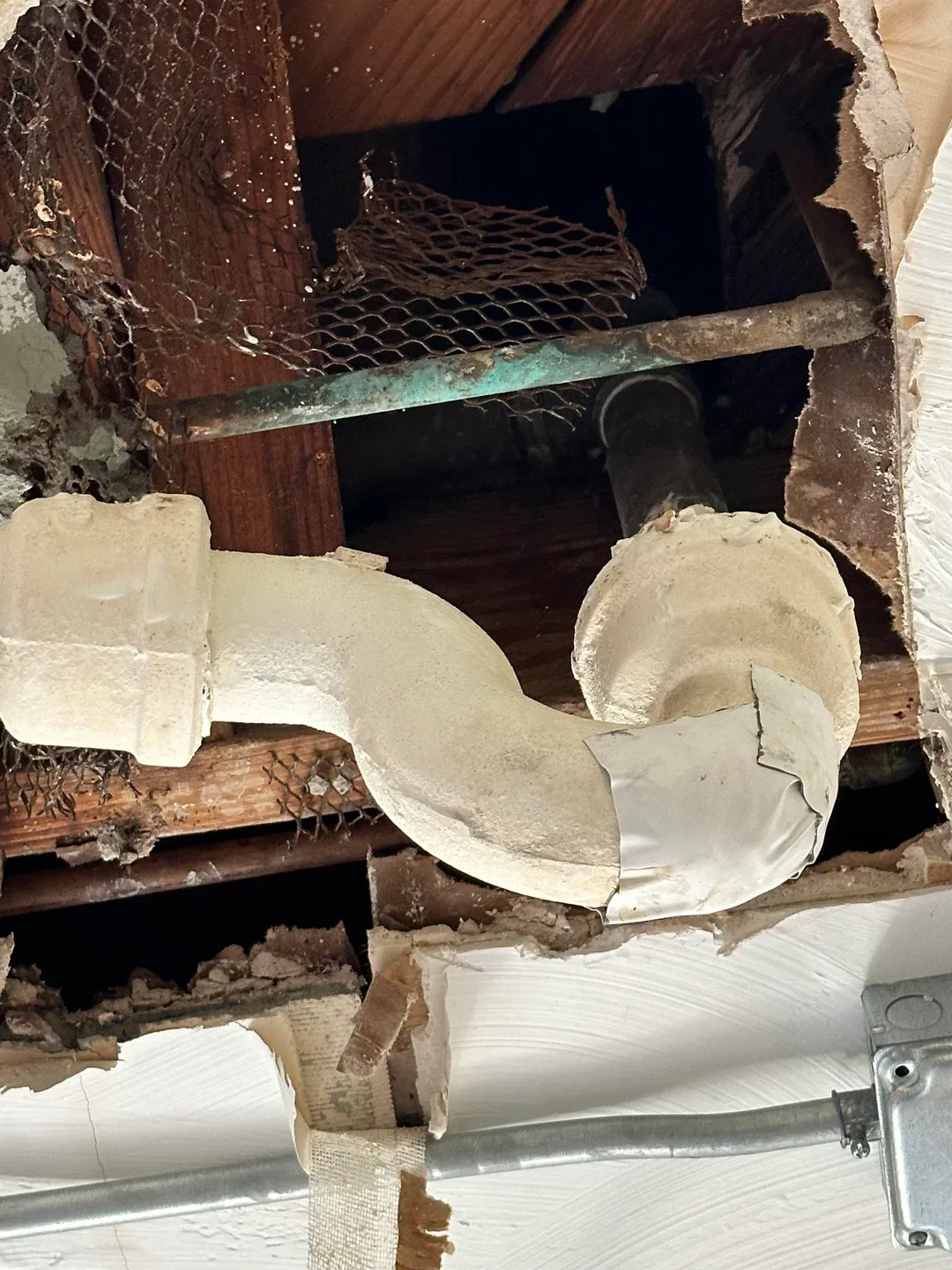
- What failed: e.g., pinhole in copper hot line, cracked drain fitting, failed wax ring
- Moisture readings and the extent of the wet area, often as a map
- Thermal images alongside regular photos
- Recommendations for repair
What to Do After You Discover Water Damage
- Stop the water at the main shut-off.
- Protect people and property: power off in wet areas, move belongings.
- Photograph and video everything before cleanup.
- Contact your insurance company or agent promptly and ask how they want you to proceed.
- Start reasonable drying to prevent further damage; keep receipts.
- Have the source located and documented before walls and floors are torn out.
- Keep copies of all findings, photos and invoices.
Pro tip: Ask your insurer whether they want the adjuster to see the damage before any materials are removed. Then make sure the leak finding is documented either way.
A Note on Coverage
Every policy is different. Many homeowners policies treat sudden, accidental water damage differently from long-term leaks or wear, and some include coverage for the cost of accessing a leak (sometimes called tear-out) while excluding the pipe repair itself. Only your insurer can tell you what your policy covers. Plant City Leak Pros and the providers in our network don't make coverage decisions or guarantee claim outcomes. Good documentation simply makes sure the facts are clear.
Who Uses Leak Documentation?
- Homeowners filing a water damage claim
- Insurance adjusters looking for cause and origin
- Property managers and HOAs assigning responsibility between units. See condo and unit-above leaks
- Restoration companies planning drying and removal
- Landlords managing repairs remotely
Get Findings You Can Use
Ask when you call whether the provider supplies written findings with photos and moisture readings. Call (813) 303-9621 for a free quote through Plant City, FL leak detection services, and see moisture mapping for how spread is measured.
Warning: Don't discard failed pipe sections, fittings or hoses after a repair until your insurer says it's okay. They may want to see them.
Leak Documentation for Insurance FAQs
Does homeowners insurance cover leak detection?
It depends on your policy. Some policies include the cost of accessing or finding a leak when the resulting damage is covered. Ask your insurer or agent.
What does a leak detection report include?
Typically the tests performed, the leak location and cause, photos, thermal images, moisture readings and repair recommendations.
Should I find the leak before the adjuster comes?
Stop the water and prevent further damage right away. Ask your insurer whether they want to inspect before materials are removed, and have the source documented.
Can you document leaks between condo units?
Yes. Findings can show which unit or line was the source and how the water traveled.
How do I get a quote for documented leak detection?
Call (813) 303-9621 and mention that you need findings for a claim. A local provider can give you a free quote.