On this page
- How Does a Sprinkler System Leak?
- How Are Irrigation Leaks Found?
- What Are the Signs of an Irrigation Leak?
- What Causes Sprinkler Leaks in Plant City?
- What Can You Check Before Calling?
- What Happens During an Irrigation Leak Visit?
- What Shapes an Irrigation Leak Search?
- When Is an Irrigation Leak Urgent?
- FAQs
Soggy lawn or weak spray?
Call now to be connected with a provider for irrigation and sprinkler leak detection.
(813) 303-9621Free call connection · Open 24/7 · Plant City, Brandon, Valrico, Seffner & DoverIrrigation leak detection finds leaks in a sprinkler system's mainline, zone valves, laterals, heads and backflow preventer. A provider isolates the irrigation from the house plumbing, pressure tests the mainline, runs each zone to compare pressure and coverage, and listens or probes along the buried pipe to mark the break so only a small spot of turf is dug.
How Does a Sprinkler System Leak?
Most Plant City irrigation systems tee off the main water line near the house, pass through a backflow preventer, and feed a mainline that stays pressurized whenever the supply valve is open. From the mainline, electric zone valves open one at a time on the controller's schedule and send water through smaller lateral pipes to the heads.
That layout creates two kinds of leaks. Mainline and backflow leaks run around the clock because that part of the system is always under pressure. They move the meter even when no zone is running. Lateral and head leaks only leak while their zone runs, so they show up as soggy patches, weak spray or dry spots downstream, but not on a meter test.
Knowing which kind you have saves time. A meter that moves with the controller off and stops when the irrigation supply valve is closed points to the mainline or backflow. Problems that only appear while a zone runs point to laterals, heads or that zone's valve.
How Are Irrigation Leaks Found?
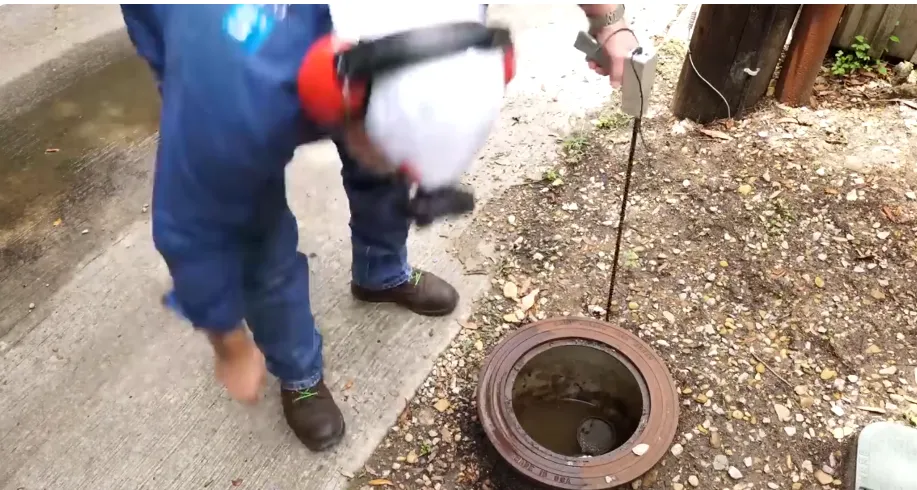
- Isolate from the house. The irrigation supply valve is closed and the meter checked, separating sprinkler leaks from service line leaks.
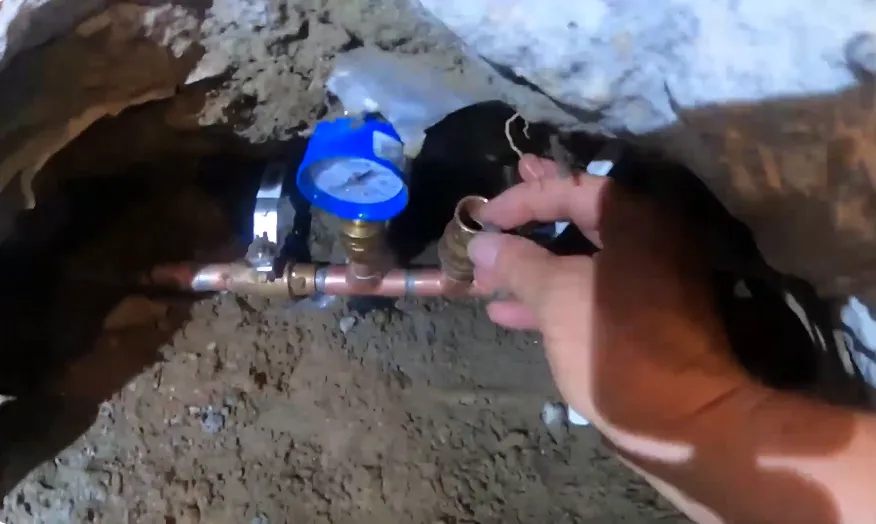
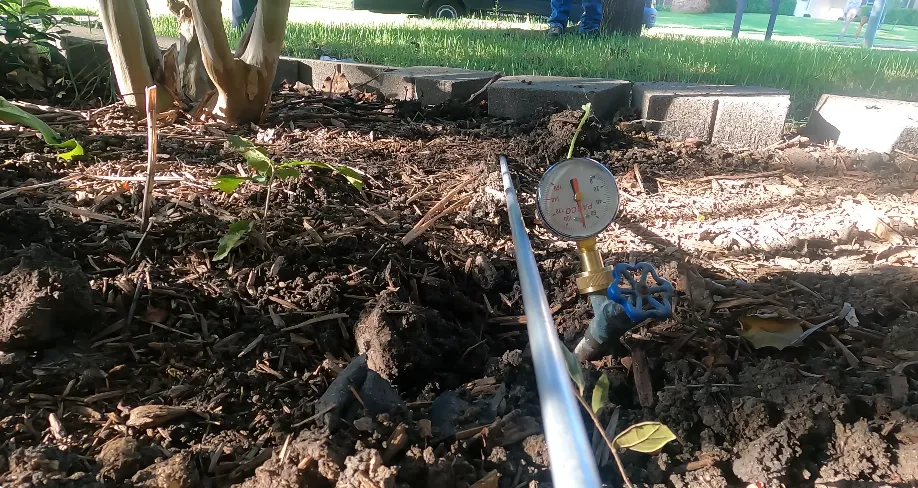
- Mainline pressure test. A gauge on the mainline shows whether it holds pressure with all zones closed.
- Backflow check. The backflow preventer is inspected for drips, spraying relief valves and cracked bodies. See backflow preventer leaks.
- Zone-by-zone run. Each zone is run while the technician watches pressure, spray patterns and the ground for bubbling or pooling.
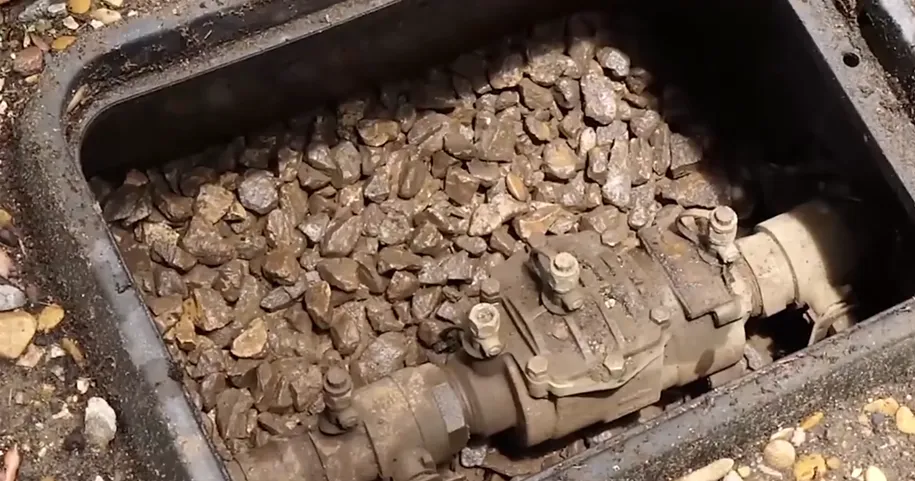
- Valve box inspection. Zone valves are checked for weeping diaphragms, cracked bonnets and valves that don't fully close.
- Pinpointing. A ground probe or microphone follows the pipe; on quiet leaks, the line can be charged with air to make it audible.
Irrigation pipe is usually shallow PVC, so once a break is marked the repair is often a small, quick dig.
What Are the Signs of an Irrigation Leak?
- Soggy or spongy turf near heads or along a pipe run.
- Standing water or mud that appears after a zone runs.
- Very green patches next to areas that are drying out.
- Weak, misting or uneven spray in one zone.
- Heads that don't pop up fully or spray sideways.
- Water in a valve box or around the backflow preventer.
- The meter moving with the controller off that stops when the irrigation valve is closed.
- Water running on days when the system isn't scheduled.
What Causes Sprinkler Leaks in Plant City?
Mowers, edgers and digging. Heads get clipped, and shallow laterals get cut during landscaping, fence posts and new plantings. This is especially common in newer communities like North Park Isle and Varrea, where landscaping is still being added.
Roots. Tree and shrub roots crack and crush shallow PVC.
Settling soil. Sandy soil washes out and settles during the summer rainy season, stressing glued joints.
Valve wear. Diaphragms and seals in zone valves wear out, letting a zone weep constantly.
Freeze damage. On rare hard-freeze nights, exposed backflow preventers and above-ground piping can crack. Around Plant City, where strawberry growers run water for frost protection, those cold nights are well known.
Pressure. High pressure and water hammer from valves snapping shut fatigue fittings over time.
What Can You Check Before Calling?
- Turn the controller off and check the meter. Then close the irrigation supply valve and check again.
- Run each zone manually for a few minutes and walk it. Look for bubbling, pooling, geysers and heads that won't pop up.
- Open the valve boxes and look for water or a valve that hisses with the zone off.
- Check the backflow preventer for drips or a relief valve that sprays.
- Review the schedule. Make sure the controller follows your watering days and nothing runs unexpectedly.
Pro tip: Hillsborough County limits lawn watering to assigned days and hours. If you see water on a non-watering day, a stuck zone valve is the first suspect, and it can waste water all day.
What Happens During an Irrigation Leak Visit?
- System walkthrough: controller, backflow, valve boxes and zone map.
- Isolation and mainline test.
- Zone runs with pressure checks and visual inspection.
- Pinpointing buried breaks and marking them with flags or paint.
- Findings: which zone, valve or section is leaking and repair options, from replacing a head to repairing a lateral or rebuilding a valve.
What Shapes an Irrigation Leak Search?
| Factor | Why it matters |
|---|---|
| Number of zones | More zones mean more runs and more pipe to check. |
| Lot size | Large lots and acreage in rural Plant City, Dover and Valrico have long mainlines. |
| Drip vs. spray | Drip lines leak quietly and are spread out; spray zones are easier to read. |
| Valve locations | Buried or lost valve boxes take time to find. |
| Water source | Systems fed by a well rather than city water are tested differently. See well line leak detection. |
Call (813) 303-9621 for a free quote. It's the simplest way to find a leak in Plant City without guessing.
When Is an Irrigation Leak Urgent?
A broken mainline or backflow preventer that's gushing, or a zone valve stuck open and flooding the yard, should be stopped right away: close the irrigation supply valve or, if there isn't one, the main shut-off. Water pooling against the foundation or washing out soil near the slab or driveway also deserves a quick call.
Warning: Call 811 before digging to repair a sprinkler line. Gas, electric and communication lines often share the same shallow ground.
Irrigation & Sprinkler Leak Detection FAQs
How do I know if my sprinkler system is leaking?
Look for soggy areas, green patches, weak spray in one zone, or water in valve boxes. With the controller off, a meter that moves and then stops when you close the irrigation valve means the leak is in the sprinkler mainline or backflow.
Why does my meter move only when sprinklers run?
That's normal, since the zone is using water. A lateral or head leak during that time shows as soggy ground or weak spray rather than unusual meter movement.
Is a leaking backflow preventer serious?
It wastes water and may not protect your drinking water properly. Have it inspected and repaired by a qualified provider.
Can irrigation leaks affect my foundation?
Constant water next to the house can saturate the soil beside the slab. Keeping irrigation leaks fixed protects both landscaping and the ground around your foundation.
What's the difference between a water line and irrigation leak?
Close the irrigation valve and check the meter. If it stops, the leak is in the sprinklers. If it keeps moving, the leak is in the service line or the house.
How do I get a quote for irrigation leak detection?
Call (813) 303-9621 to be connected with a local provider who can give you a free quote based on your system and yard.