On this page
Pipe leaking inside a wall?
Open the wall once, in the right place. Call to be connected with a provider.
(813) 303-9621Free call connection · Open 24/7 · Plant City, Brandon, Valrico, Seffner & DoverIn-wall pipe leak detection locates leaks in the supply and drain pipes that run inside walls, behind tile, and through wall cavities between floors. Providers confirm which pipe is leaking with pressure and fixture tests, trace its route through the wall, and pinpoint the leak with acoustic listening, thermal imaging and moisture readings, so the opening is small and in the right place.
How Pipes Run Through Florida Walls
Plant City homes are commonly built with concrete block exterior walls and wood or metal frame interior walls. That affects where pipes go. Supply lines usually come up from the slab inside interior walls, or run through the attic and drop down into walls. Plumbing on exterior walls is often furred out along the inside face of the block. In two-story homes, pipes run through the floor system between levels, which is why an upstairs shower or tub leak so often stains the ceiling below.
Knowing that layout helps narrow the search. A wet spot on an exterior block wall, for example, may be water traveling along a furring strip from a pipe several feet away. A hidden leak search starts by asking which pipes could possibly reach that spot.
Which Pipes Leak Inside Walls?
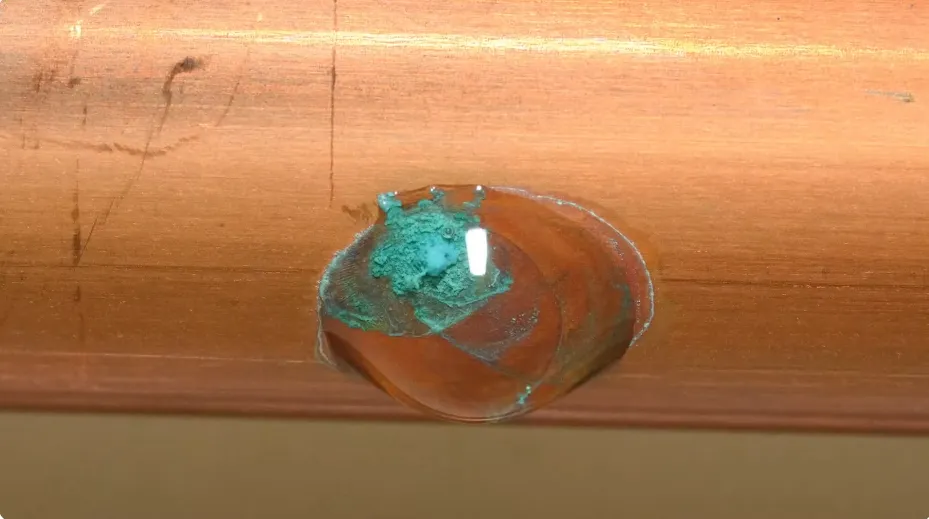
- Hot and cold supply lines to sinks, showers, tubs, toilets and the washer, often copper, CPVC or PEX
- Shower and tub valves and the short pipes above them to the shower head
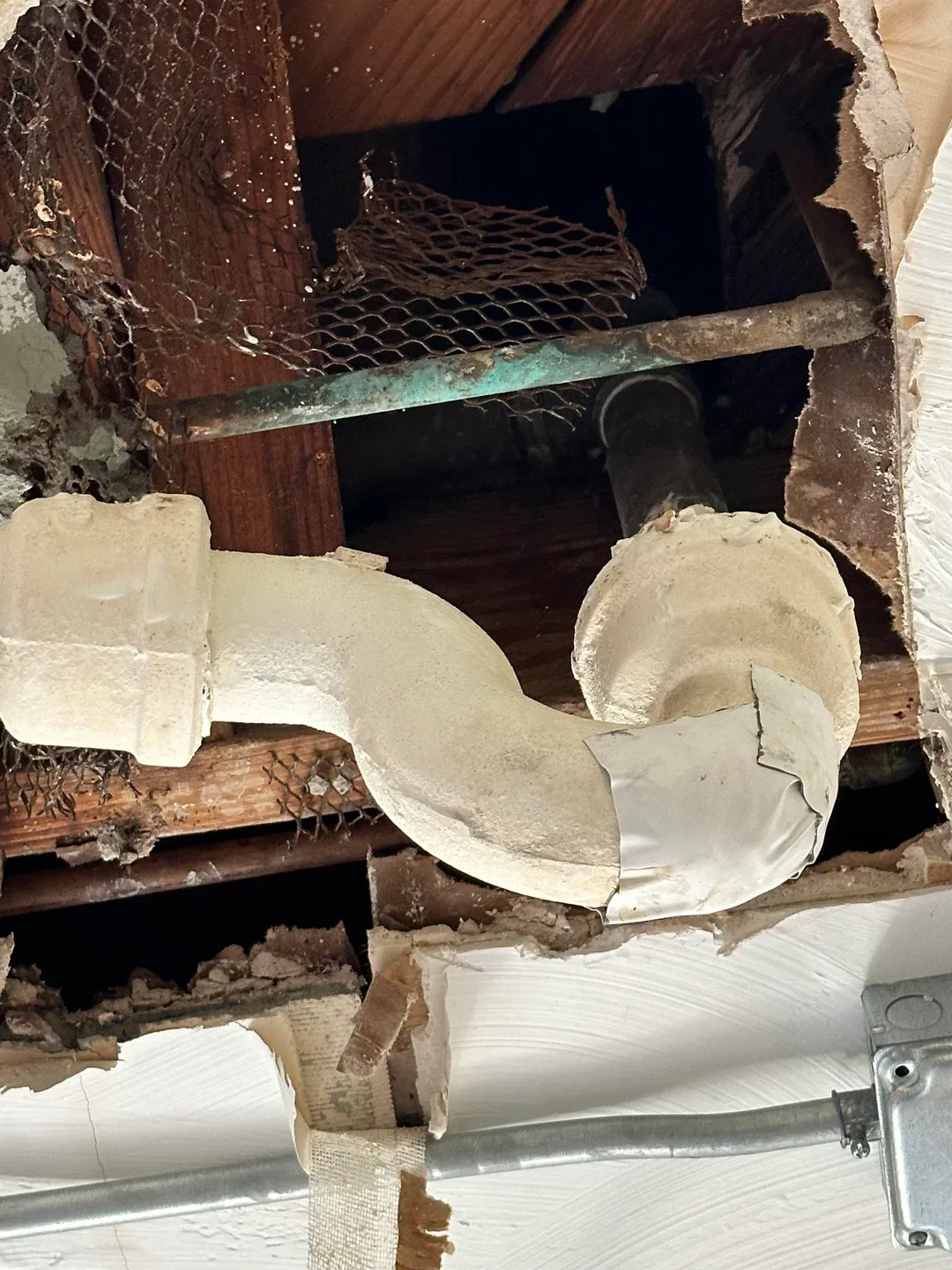
- Drain and vent pipes: cast iron in older homes, PVC in newer ones
- Washer box valves recessed in the laundry wall
- Hose bib lines running through exterior walls
- Lines dropping from the attic in homes plumbed overhead
How Is the Leak Pinpointed?
- Supply or drain? A meter test shows whether a pressurized line is leaking. If not, fixtures are run one at a time to see if a drain leak appears.
- Trace the route with a line locator on metal pipe, or by reading the plumbing layout from fixtures, valves and access panels.
- Listen with an acoustic probe at nearby valves and on the wall surface for a pressurized hiss.
- Thermal imaging shows cool wet patches, or warm streaks along a leaking hot line.
- Moisture mapping finds the wettest point, usually just below the leak.
- Borescope through a small hole to confirm before a larger opening.
Pro tip: If the wall is behind tile, ask about access from the other side. Opening drywall in a closet is often far easier than cutting tile.
Signs of an In-Wall Pipe Leak
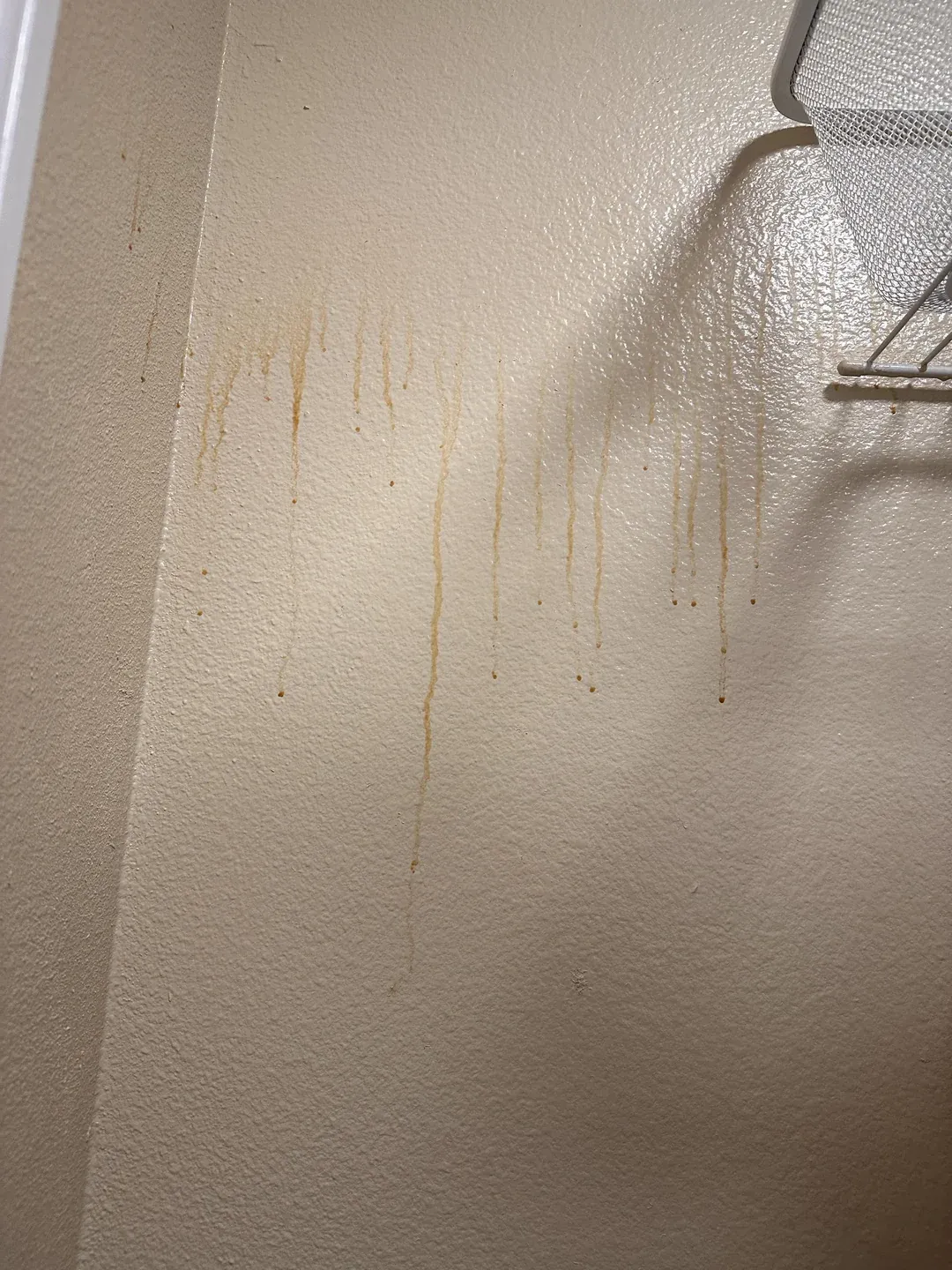
- A damp, discolored or bubbling patch that grows over time
- Baseboards swelling or pulling away at one spot
- Hissing or dripping sounds inside the wall
- Paint failing on the outside of a block wall near plumbing
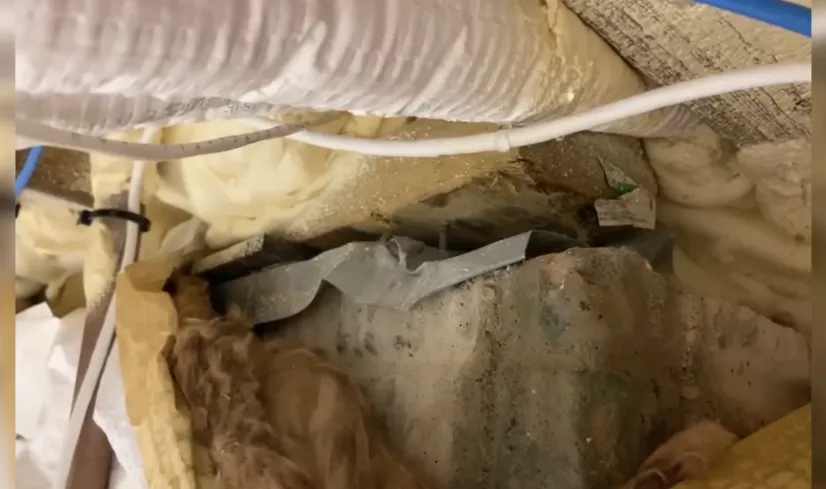
- Mold in a closet that shares a wall with a bathroom or kitchen
- Moving meter with all fixtures off
After the Leak Is Found
The provider marks the spot and explains whether it's a fitting, a pinhole or a drain joint. A small opening lets the plumber repair that section. If the pipe shows several weak points, see pinhole leaks and repipe options. Call (813) 303-9621 for a free quote from leak detection specialists in Plant City.
Warning: Before cutting into any wall, turn off power to outlets on that wall and watch for wiring. Block walls may also have conduit cast inside.
In-Wall Pipe Leak Detection FAQs
Can you find a pipe leak in a wall without opening it?
Yes. Acoustic listening, thermal imaging and moisture readings locate it from the surface. Only a small opening is made to repair it.
How do I know if the leak is a supply or drain pipe?
A supply leak runs constantly and moves the water meter with everything off. A drain leak only appears when a fixture above or nearby is used.
Do block walls make detection harder?
They change the approach. Pipes on block walls usually run in furred-out space on the inside face, and water can travel along it before showing.
Will the whole wall need to be replaced?
Usually not. A pinpointed leak needs a small opening that's patched after repair.
How do I get a quote for in-wall pipe leak detection?
Call (813) 303-9621 and describe the wall and nearby fixtures. A local provider can give you a free quote.