On this page
Backflow device dripping?
A leaking backflow wastes water every hour. Call to reach a provider.
(813) 303-9621Free call connection · Open 24/7 · Plant City, Brandon, Valrico, Seffner & DoverBackflow preventer leak detection checks the device that stops irrigation or other non-drinking water from flowing back into your home's water supply. Providers inspect the body, check valves, relief valve, test cocks and shut-off valves, and determine whether a drip is normal relief discharge, a worn internal part, freeze damage, or a leak in the connecting pipe.
What Does a Backflow Preventer Do?
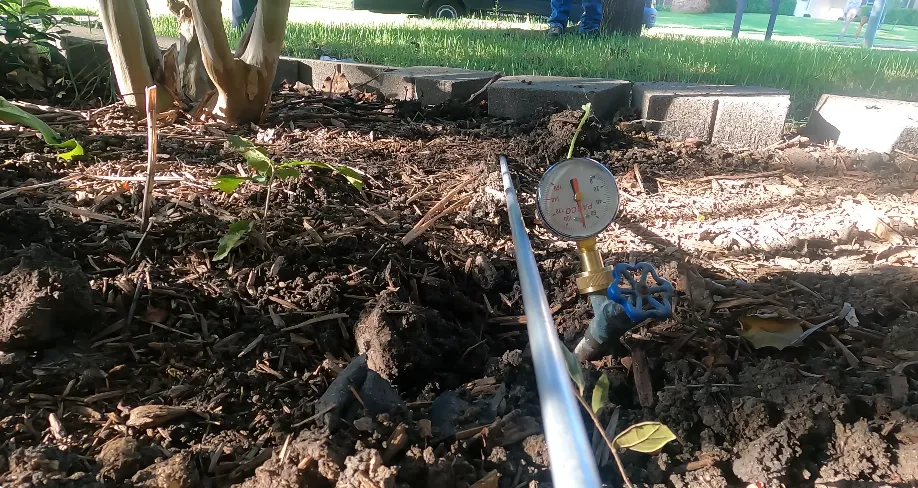
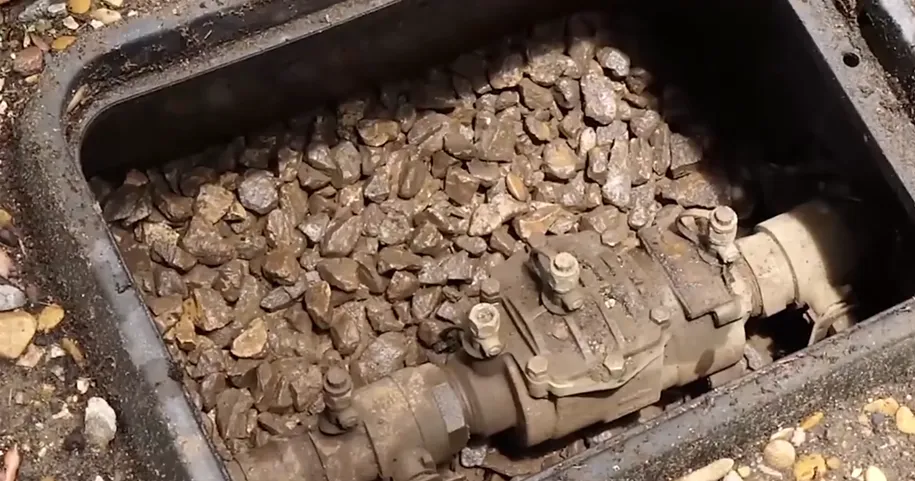
Sprinkler systems sit in soil, fertilizer and lawn chemicals. If water pressure drops in the city main, during a break or heavy firefighting demand, water in your irrigation lines could be pulled back toward your drinking water. A backflow preventer stops that. It's usually installed where the irrigation line tees off the main, either above ground near the house or in a valve box, and many utilities and local codes require one on irrigation connections.
Common types include pressure vacuum breakers (PVB), double check valve assemblies (DCVA) and reduced pressure zone assemblies (RPZ). Each has check valves and seals that can wear, and some are designed to discharge water from a relief port when something isn't right. On rural properties the same devices protect well systems too.
Signs of a Backflow Leak
- Constant dripping or spraying from the relief port or bonnet
- Water pooling in the valve box or around the device
- Cracks in the brass body or caps, often after a cold night
- Sprinkler zones with weak pressure
- The meter moving with the irrigation off and the house valve closed
- Water spraying when the irrigation turns on
Why Backflow Preventers Leak
Worn checks and seals. Rubber parts wear with age and debris, letting water past.
Debris. Sand or grit from line repairs can hold a check valve open.
Pressure changes. Water hammer and pressure swings can make relief valves discharge.
Freeze damage. Above-ground devices are exposed. Plant City's occasional hard freezes, the same nights local strawberry growers protect their crops, can crack brass bodies and bonnets. Covering or insulating the device before a forecast freeze helps.
Physical damage from mowers or landscaping work.
How Is It Checked?
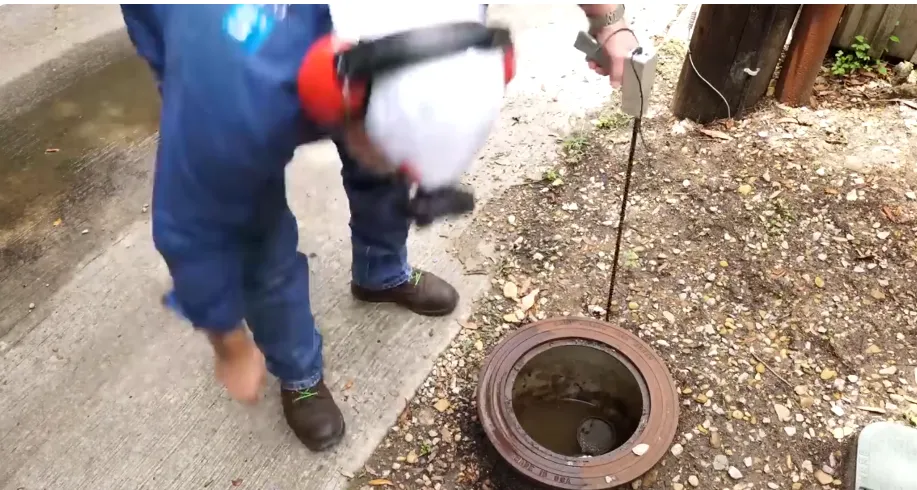
- Inspect the device for visible leaks and cracks with the irrigation off and on.
- Check the relief port and determine whether the discharge is from a worn part or a pressure problem.
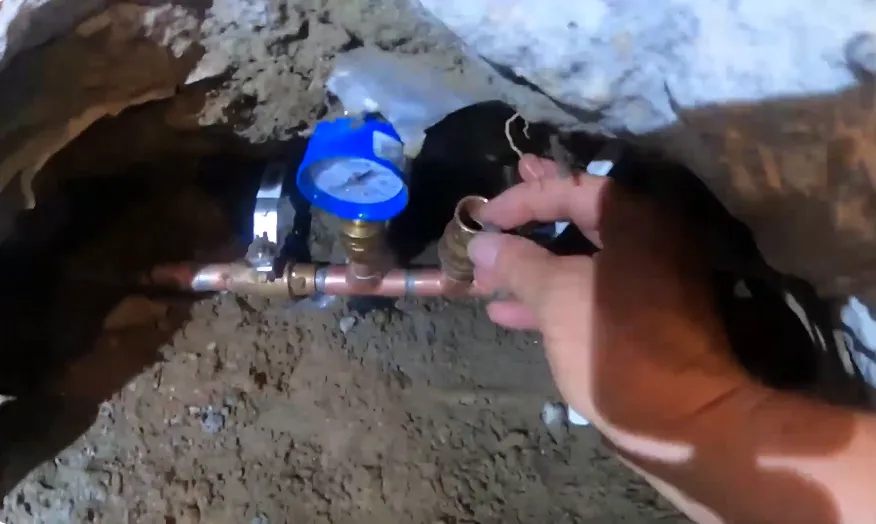
- Isolate the device with its shut-off valves and check the meter to see if the leak is in the device or the line.
- Check connecting pipes, unions and the irrigation mainline beyond. See irrigation leak detection.
Pro tip: Before a freeze is forecast, wrap an above-ground backflow preventer with an insulated cover or towels and plastic. After the cold passes, check it for cracks before turning the irrigation back on.
Backflow Testing and Certification
Some utilities and local rules require backflow assemblies to be tested periodically by a certified backflow tester. Testing confirms the device works, which is different from finding a leak, though a failed test often reveals one. If your utility has sent a testing notice, ask the provider whether they're certified for backflow testing in your area.
Repair Options
Many leaks are fixed with a repair kit for the checks and seals, or by replacing a relief valve or bonnet. A cracked body usually means replacing the device. Call (813) 303-9621 for a free quote from leak detection specialists in Plant City, or see the main line guide for water line leaks if the meter still moves with the irrigation off.
Warning: Don't remove or bypass a backflow preventer to stop a leak. It protects your drinking water, and removing it may violate local requirements.
Backflow Preventer Leak Detection FAQs
Is it normal for a backflow preventer to drip?
Some devices can discharge briefly during pressure changes, but a constant drip or spray means a part is worn, fouled or damaged.
Can a freeze damage my backflow preventer?
Yes. Above-ground devices can crack during hard freezes. Insulate them before forecast freezes and inspect them afterward.
Do I need a backflow preventer on my sprinklers?
Many utilities and local codes require one where irrigation connects to drinking water. Check with your water provider.
Can a backflow preventer be repaired?
Often, yes. Repair kits replace checks and seals. A cracked body usually needs a replacement device.
How do I get a quote for backflow leak detection?
Call (813) 303-9621 and describe whether it drips, sprays or is cracked. A local provider can give you a free quote.