On this page
Wet floor by an appliance?
Appliance hoses fail quietly, then suddenly. Call to be connected with a provider.
(813) 303-9621Free call connection · Open 24/7 · Plant City, Brandon, Valrico, Seffner & DoverAppliance line leak detection checks the water connections that feed and drain household appliances: refrigerator ice maker and water dispenser lines, washing machine hoses and box valves, dishwasher supply and drain lines, water softeners, filtration systems and humidifiers. Providers inspect the connections, run each appliance, and use moisture meters and thermal imaging to see whether water has spread into walls and floors.
Which Appliance Lines Leak Most?
| Appliance | Common leak points |
|---|---|
| Refrigerator ice maker | Thin plastic or copper line kinked or cracked behind the fridge; saddle valves |
| Washing machine | Rubber hoses bursting; leaking washer box valves inside the wall; drain hose |
| Dishwasher | Supply connection under the sink; drain hose; door seal; inlet valve |
| Water softener / filter | Bypass valve, brine tank overflow, fittings |
| Reverse-osmosis system | Tiny tubing connections under the sink |
| Garage refrigerator / utility sink | Lines in garages exposed to heat and humidity |
Signs of an Appliance Line Leak
- Cupped or discolored wood or laminate near the fridge or dishwasher
- Soft or stained drywall behind the washer
- Musty smell in the laundry room or kitchen
- Water seeping from under a cabinet next to the dishwasher
- Ice maker making less ice or hollow cubes
- Water in the washer drain pan, if you have one
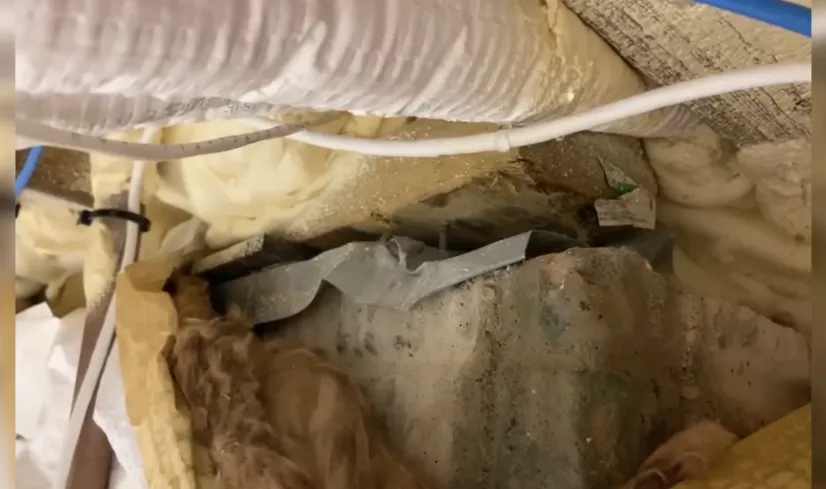
- Mold on the back of cabinets or behind appliances
Why These Lines Fail
Rubber washer hoses age, crack and can burst under pressure, and a burst hose can flood a room fast. Ice maker lines are thin, get pushed and kinked every time the fridge is moved, and older saddle valves were never designed to last. Dishwasher connections loosen with vibration. In Plant City, mineral-rich water also builds scale on small valves, and garage installations deal with heat and humidity that speed up wear. Faucet and valve wear follows the same pattern; see fixture and valve leaks.
Because these leaks are hidden behind and under heavy appliances, they often go on for months. That's why they show up so often during hidden leak detection.
What You Can Check
- Pull the fridge out carefully and inspect the ice maker line and valve.
- Look at both washer hose ends for rust, bulges and cracks, and check the box valve in the wall.
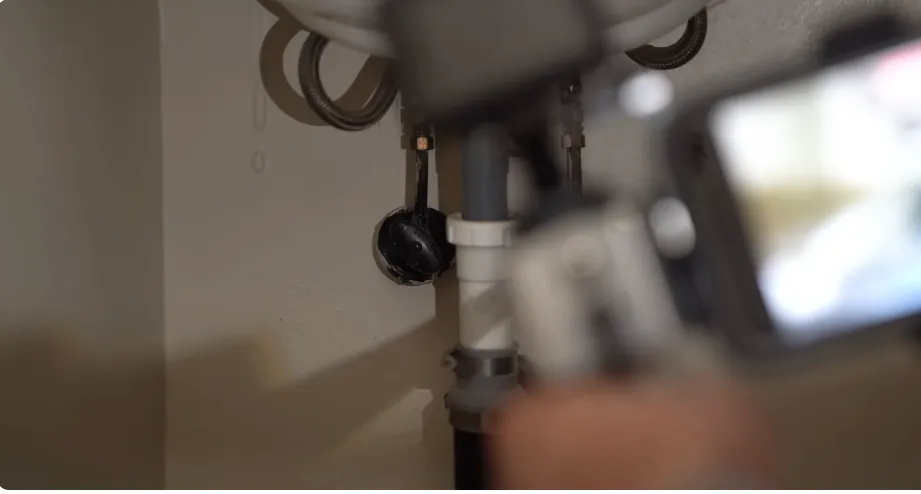
- Open the cabinet beside the dishwasher and check the supply and drain connections while it runs.
- Do a meter test to see if a hidden leak is running elsewhere.
Pro tip: Swap rubber washing machine hoses for braided stainless hoses, and turn the washer valves off when you leave for a trip. A burst washer hose is one of the most common causes of indoor flooding.
Laundry Rooms and Garages in Florida Homes
Many Florida homes put the washer and dryer in the garage or a small interior laundry room on a slab. A leak there can travel under baseboards into the next room, or soak into the slab and look like a slab leak. Testing the appliance lines first can save a lot of time and confusion.
After the Leak Is Found
Most appliance line repairs are simple: replacing a hose, line or valve. If water got into the wall or subfloor, drying and moisture checks matter so mold doesn't follow. Call (813) 303-9621 for a free quote through our leak detection services in Plant City FL.
Warning: Unplug appliances before pulling them out to inspect lines, and don't stand in water near electrical connections.
Appliance Line Leak Detection FAQs
Can an ice maker line leak without me noticing?
Yes. A small drip behind the fridge can soak the floor and subfloor for months. Warped flooring nearby is often the first clue.
How long do washing machine hoses last?
Rubber hoses wear out with age. Replace any hose with cracks, bulges or rust at the ends, and consider braided stainless hoses.
Why is the floor wet next to my dishwasher?
Common causes are a loose supply connection, a drain hose leak or a door seal. Running the dishwasher with the side cabinet open often shows it.
Can a water softener leak?
Yes. Bypass valves, fittings and brine tank overflow can leak. They're checked during an appliance line inspection.
How do I get a quote for appliance line leak detection?
Call (813) 303-9621 and mention which appliance is near the water. A local provider can give you a free quote.