On this page
Need gas piping tested?
If you smell gas, leave and call 911 first. For testing after it's safe, call:
(813) 303-9621Free call connection · Open 24/7 · Plant City, Brandon, Valrico, Seffner & DoverGas line leak detection confirms whether the gas piping on your side of the meter or propane tank is leaking, and pinpoints where. A licensed provider isolates the system, runs a timed pressure test to see if it holds, then checks fittings, valves, regulators and appliance connectors with electronic gas detectors and leak solution. Buried lines are traced and checked along their route. This happens after any immediate danger has been handled by your utility or emergency services.
What Should You Do If You Smell Gas?
Safety first: If you smell rotten eggs or sulfur, hear hissing near a gas appliance or line, or see dead vegetation over a buried gas line, leave the building immediately. Don't flip switches, use phones inside, start a car in the garage or light anything. Once you're a safe distance away, call 911 and your gas utility or propane supplier.
Natural gas and propane are odorless on their own. Suppliers add a sulfur-smelling chemical called mercaptan so leaks can be noticed. Propane is heavier than air and can collect in low spots, while natural gas rises, so the smell may be strongest in different places.
Leak detection and repair of your house piping comes next, after the utility or responders have made the area safe and, if needed, shut off the supply. This page explains that second step.
Which Gas Lines Are the Homeowner's Responsibility?
For natural gas, the utility generally owns and maintains the line up to and including the meter. Everything after the meter, the piping through the walls, attic or yard to your water heater, range, dryer, pool heater, fireplace or generator, is usually the property owner's responsibility.
For propane, the tank may be owned or leased, and the supplier typically maintains the tank and its regulator. The line from the tank to the house and the interior piping are generally the owner's. Propane is common on rural lots outside the natural gas service area, especially toward Dover, Keysville and other parts of rural Plant City. Read more on our propane line leak detection page.
Check your utility or supplier agreement if you're unsure where their responsibility ends.
How Are Gas Leaks Located?
- Isolation. The appliance valves are closed and the system is isolated at the meter or tank.
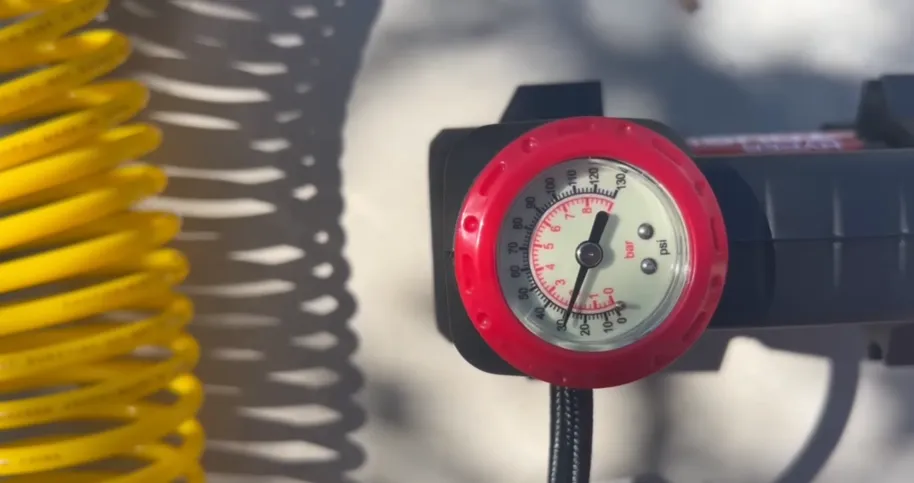
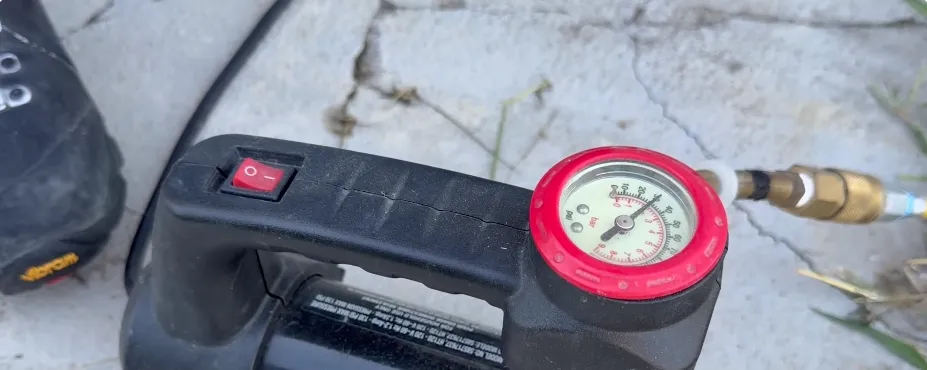
- Pressure test. A gauge or manometer is attached, the system is brought to test pressure, and it's watched for a set time. A drop means a leak somewhere in the piping.
- Section testing. On larger systems, sections are tested separately to narrow the search.
- Electronic gas detection. A combustible gas detector is moved slowly along joints, valves, regulators and flexible connectors to find the source.
- Leak solution. Bubble solution applied to suspected fittings forms bubbles where gas escapes.
- Buried line checks. The route of underground gas or propane line is traced and checked at the surface and at risers.
This careful, step-by-step process mirrors how Plant City Leak Pros connects callers with providers for every kind of leak: confirm first, then pinpoint.
What Are the Signs of a Gas Leak?
- Rotten egg or sulfur smell indoors or near the meter or tank.
- Hissing or whistling near a gas line, valve or appliance.
- Dead or dying grass or plants in a line along a buried gas line.
- Bubbles in standing water over a buried line.
- Yellow or flickering burner flames instead of steady blue (a sign of a combustion problem worth checking).
- Propane running out faster than usual for your use.
- A higher gas bill without a change in use.
- Physical symptoms like headaches, dizziness or nausea that improve when you leave the home. Get fresh air and seek medical help.
What Causes Gas Line Leaks?
Loose or corroded fittings. Threaded joints and unions can loosen or corrode over time, especially outdoors in humid Florida air.
Aging flexible connectors. Old appliance connectors can crack or wear where they bend behind ranges and dryers.
Digging damage. Shovels, augers and fence posts are a leading cause of buried line damage, which is why Florida requires calling 811 before digging.
Appliance moves and remodels. Moving a range or dryer, or adding a pool heater or generator, can stress connections.
Regulator failure. Faulty regulators at the meter or tank can leak or vent.
Corrosion on buried steel. Older underground steel lines can corrode in damp soil.
When Is Gas Pressure Testing Needed?
Beyond suspected leaks, gas piping is commonly pressure tested:
- After new gas piping is installed or extended
- When a new appliance such as a pool heater, generator or tankless water heater is added
- After repairs to the gas system
- When a utility or supplier requires a test before restoring or starting service
- During a home sale or inspection when gas service is involved
Local permit and inspection requirements apply to gas work. A licensed provider can tell you what applies to your project.
Which Gas Appliances Are Common in Plant City Homes?
Many Plant City homes use gas for more than cooking. Gas and tankless water heaters, pool and spa heaters, clothes dryers, outdoor kitchens, fireplaces and standby generators are all common. Generators in particular have become popular because of hurricane season power outages. Each appliance adds a branch line, a shut-off valve and a connector, which are all possible leak points.
Pool heaters and generators are often fed by a buried line that runs across the yard, sometimes under pavers or a pool deck. Those runs are tested and traced the same way as any buried gas line. If you've recently added an appliance, had landscaping done, or installed a fence along the route, a pressure test is a sensible check.
What Shapes a Gas Leak Test?
| Factor | Why it matters |
|---|---|
| Natural gas or propane | Different suppliers, regulators and responsibilities. |
| Number of appliances | More connectors and branches to check. |
| Buried line length | Long runs to a pool heater, generator or detached building take more tracing. |
| Pipe material | Black iron, CSST and polyethylene are tested and inspected differently. |
| Access | Attic, wall and under-slab routes affect how quickly fittings can be reached. |
Call (813) 303-9621 for a free quote after the area is safe.
Gas & Propane Line Leak Detection FAQs
What does a gas leak smell like?
Suppliers add mercaptan so leaks smell like rotten eggs or sulfur. If you smell it, leave the building and call 911 and your gas utility or propane supplier from outside.
Who do I call first, the utility or a plumber?
Call 911 and the gas utility or propane supplier first for safety. Once the area is safe, a licensed provider can test and repair your house piping.
How do you find a leak in a buried gas line?
The system is isolated and pressure tested, then the buried line's route is traced and checked with gas detection equipment at the surface and at risers and fittings.
Do you test propane lines too?
Yes. Calls for propane line testing from rural Plant City, Dover and nearby areas are connected with providers who work on propane systems.
Is it safe to stay in the house during a gas leak?
No. Leave right away and stay out until emergency responders or the utility say it's safe.
How do I get a quote for gas line leak detection?
After the area is safe, call (813) 303-9621 to be connected with a licensed local provider who can give you a free quote.