On this page
Water coming from next door or above?
Shared walls make leaks complicated. Call to reach a provider.
(813) 303-9621Free call connection · Open 24/7 · Plant City, Brandon, Valrico, Seffner & DoverCondo and unit-above leak detection finds the source of water moving between attached units: from the unit above, through a shared wall, or from a common line. Providers test fixtures and lines in the units involved, map moisture on both sides, and identify whether the leak is in a unit's own plumbing or in a shared or common-element line, which helps owners, associations and insurers sort out next steps.
Why Are Shared-Building Leaks Different?
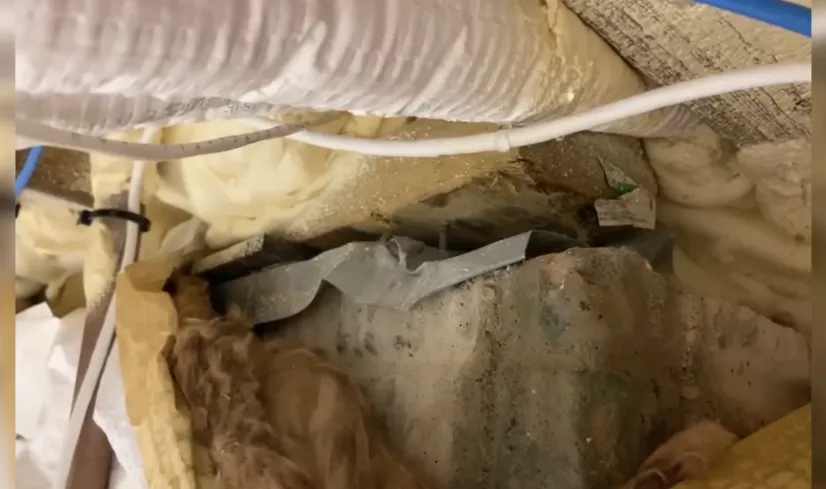
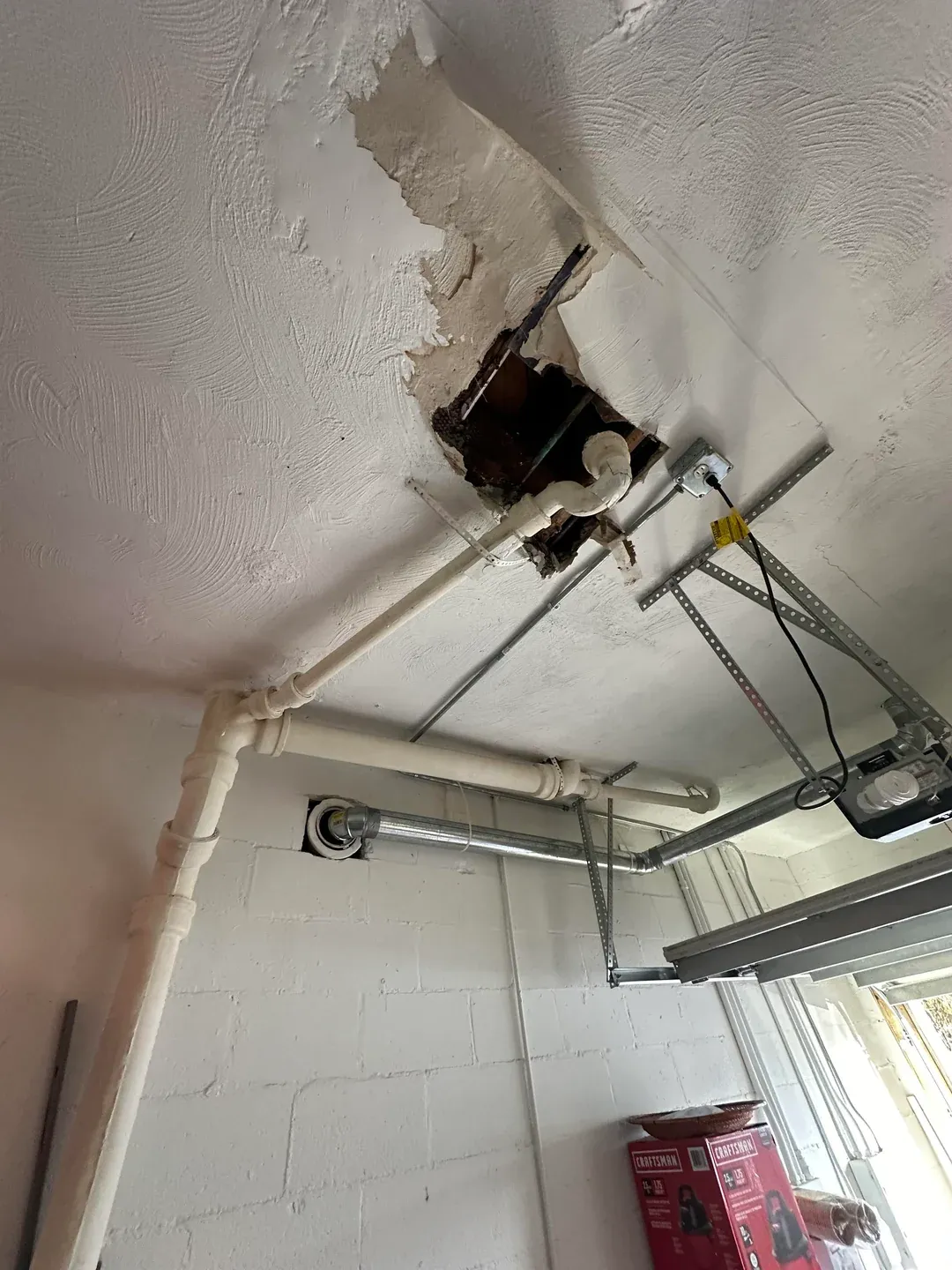
In a single-family home, a leak is yours to find and fix. In a condo, townhome or apartment, water crosses property lines. The ceiling stain is in your unit, but the source may be a shower pan, toilet or supply line in the unit above, a drain stack shared by several units, or a line in a common wall. Until the source is identified, it's hard to know who should repair it.
That's why clear, documented findings matter as much as the detection itself. Many associations' governing documents define which pipes belong to each owner and which are common elements, and insurance claims depend on the cause.
Common Sources
| Source | Where it usually is |
|---|---|
| Shower pan or tub | Unit above, only when used |
| Toilet wax ring | Unit above, on flush |
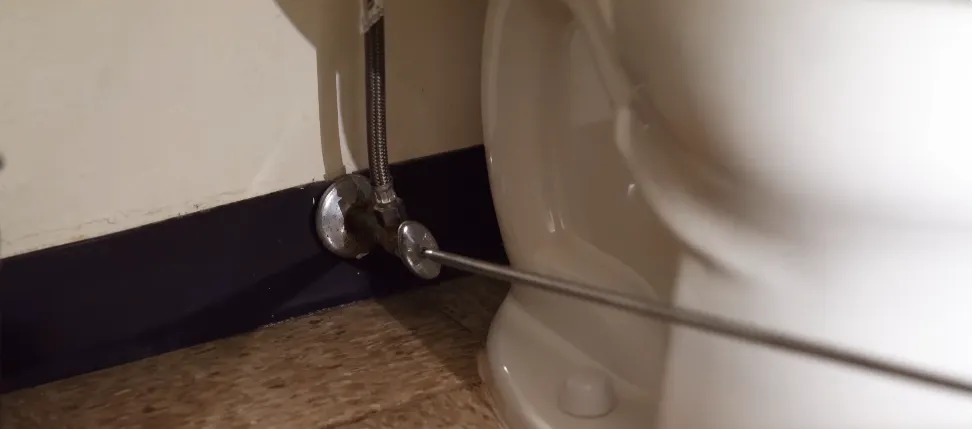
| Supply line or valve | Unit above or shared wall, constant |
| Washing machine or water heater | Unit above or next door |
| Drain or vent stack | Shared chase serving several units |
| AC condensate | Air handler closet or attic above |
| Roof, balcony or exterior wall | Building envelope, after rain (see balcony and deck leaks) |
How Is the Source Identified?
- Map the damage in your unit with moisture meters and thermal imaging.
- Coordinate access to the unit above or next door; testing usually needs both.
- Test fixtures one at a time in the suspect unit while watching readings below.
- Pressure test supply lines and check valves and appliances.
- Check shared drains with camera inspection if the stack is suspected.
- Document the source, path and affected areas with photos and readings.
Pro tip: Notify your association or property manager and your neighbor as soon as you see water. Testing goes much faster when everyone can give access the same day.
Condos and Townhomes Around Plant City
Attached homes and townhome communities are part of Plant City's growth, along with apartments and duplexes closer to Brandon and Valrico. Many are two-story with stacked bathrooms and kitchens, so an upstairs leak often shows up directly below. Florida humidity means wet ceilings and walls need quick drying to avoid mold. For HOA-managed buildings, see commercial and HOA leak detection.
What Should Each Owner Do?
If water is coming into your unit: photograph the damage, move belongings, notify the neighbor above and your association, and keep a log of when the water appears, for example only in the morning or after evening showers. That timing often matches a specific fixture upstairs.
If you're the owner above: stop using the bathroom or appliance that might be involved, close its supply valve if you can, and allow access for testing. A quick toilet dye test and a look under your sinks can rule out simple causes right away.
After the Source Is Found
The findings show which unit or line is responsible, so the right owner or the association can arrange repair and drying. Call (813) 303-9621 for a free quote, or use our line to find a leak in Plant City any time.
Warning: Don't open a ceiling or wall that might contain a neighbor's plumbing or a common-element line without coordinating with the association. It can complicate responsibility and claims.
Condo & Unit-Above Leak Detection FAQs
Water is coming from the unit above. What do I do?
Contact your neighbor and the association or manager right away, protect your belongings, and call to have the source located. Testing usually needs access to both units.
Who pays for a leak between condo units?
It depends on where the leak is and your association's documents and insurance. Clear findings showing the source are the first step.
Can you find a leak in a shared wall?
Yes. Moisture mapping on both sides, fixture tests and pressure tests identify which line in the wall is leaking.
Do you test drain stacks?
Yes. Shared drain and vent stacks can be checked with camera inspection and flow tests.
How do I get a quote for condo leak detection?
Call (813) 303-9621 and explain which units are involved. A local provider can give you a free quote.