On this page
Need to know how far water spread?
Moisture maps guide repairs and drying. Call to reach a provider.
(813) 303-9621Free call connection · Open 24/7 · Plant City, Brandon, Valrico, Seffner & DoverHidden moisture mapping is a systematic survey of walls, floors and ceilings with moisture meters and infrared thermal cameras. Readings are taken in a grid, compared to dry reference areas, and recorded on a floor plan or photo set. The map shows how far water has spread, where it's wettest, and therefore where the source most likely is.
Why Map Moisture?
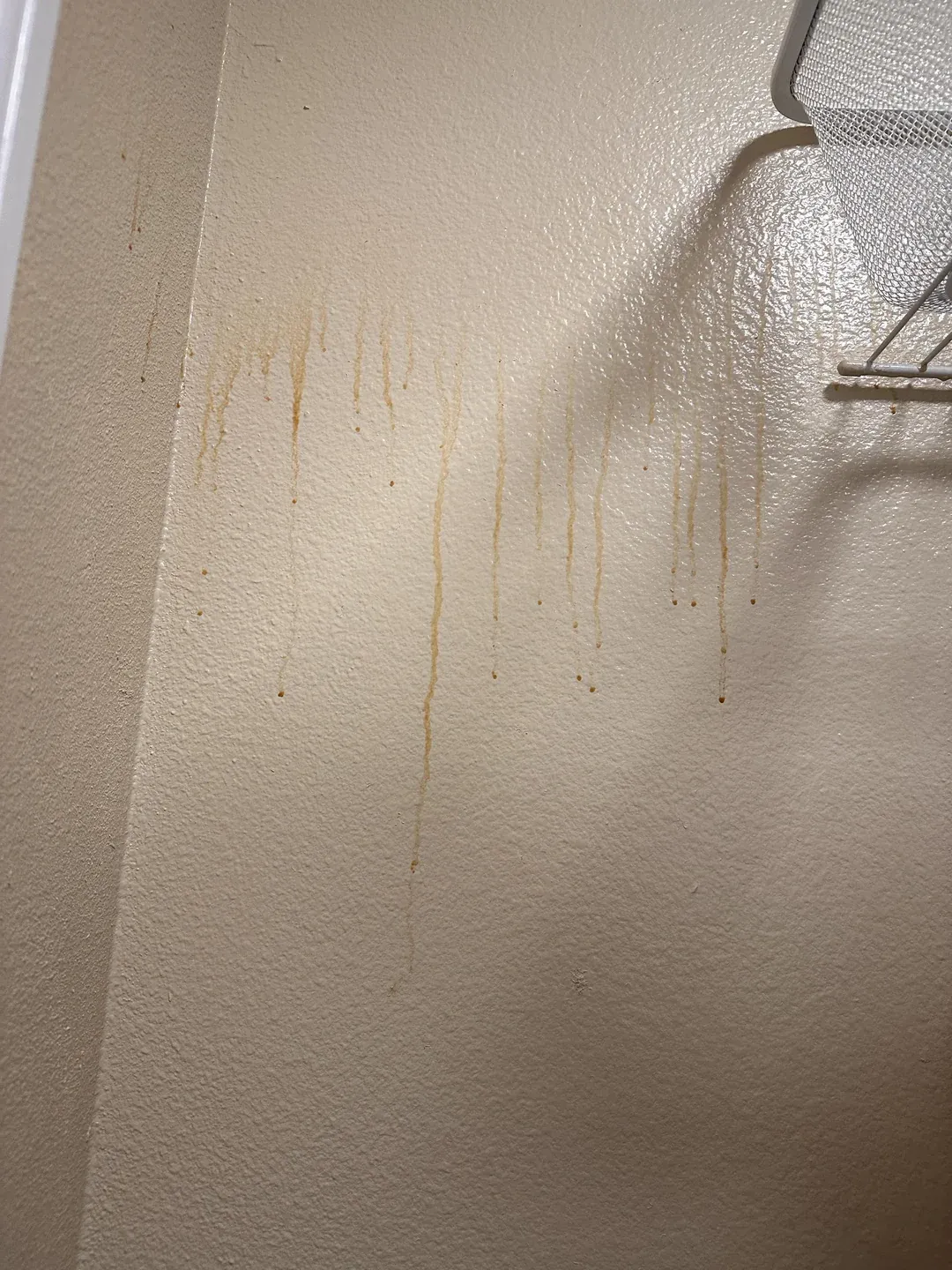
Water doesn't stay where it starts. It wicks up drywall, spreads under flooring, runs along studs and soaks into insulation. The visible stain is only part of the picture. A moisture map answers three practical questions:
- Where is the source? The wettest readings usually cluster nearest the leak.
- How far did it spread? So repairs and drying cover all affected material, not just the obvious stain.
- Is it drying? Repeat maps show whether materials are returning to normal before walls are closed up.
It's a core tool in hidden leak detection and is equally useful after a leak has been fixed.
Which Tools Are Used?
| Tool | What it shows |
|---|---|
| Pinless (non-invasive) meter | Moisture below the surface of drywall, tile and wood without marking it |
| Pin meter | Moisture content at a specific depth in wood and drywall |
| Infrared thermal camera | Temperature patterns that reveal wet or hot areas behind surfaces |
| Thermo-hygrometer | Room air temperature and humidity, which affect drying |
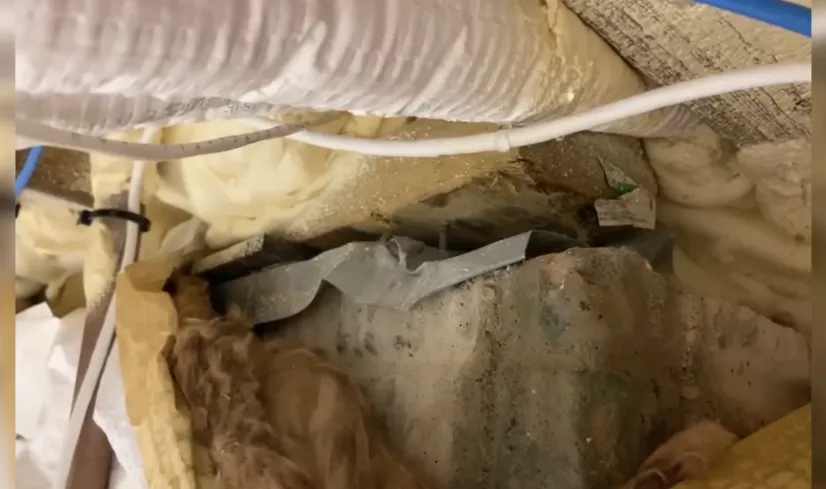
| Borescope | A look inside a wall cavity through a small hole |
How Is a Moisture Map Made?
- Baseline: readings in a known-dry area of the same material.
- Thermal sweep: a quick scan of walls, floors and ceilings to find suspect areas.
- Grid readings: meter readings at regular intervals moving outward from the wet area until readings return to baseline.
- Record: readings marked on a sketch or photos with the date.
- Trace: the pattern is compared against plumbing routes to identify the likely source.
Pro tip: Ask for a copy of the map and photos. They're useful for your plumber, a drying company, and any insurance claim. See leak documentation for insurance.
Moisture in Florida Homes
Plant City's humidity changes how moisture behaves indoors. Materials dry slowly when the outdoor air is humid, AC condensate and sweating ducts add moisture of their own, and summer storms can push water through block walls and windows. A good map separates these: high readings in a band along an exterior wall after rain point to weather intrusion, while a bloom around a bathroom wall that grows with water use points to plumbing.
Concrete slabs also hold moisture. Under tile and wood floors, readings help show whether dampness is from a slab leak or from moisture wicking up through the slab.
How Do You Read a Moisture Map?
Most maps use a simple color or number scale against the dry baseline. Readings at baseline mean dry material; moderately elevated readings mean damp material that will likely dry with airflow; high readings mean saturated material that may need to be removed. The shape matters as much as the numbers. A round bloom centered on one spot suggests a single leak point, a band along the bottom of a wall suggests water spreading across the floor, and a line running up from the floor suggests wicking from a wet slab. If you're comparing maps over several days, the wet area should shrink steadily as drying works.
When Should You Get Moisture Mapping?
- After any leak, before walls or floors are closed or replaced
- When a musty smell has no obvious source
- When a stain keeps coming back after painting
- Before buying a home with past water damage
- To confirm drying is complete after a restoration job
Call (813) 303-9621 for a free quote through Plant City FL leak detection.
Warning: Painting over a water stain without fixing the source and confirming the area is dry often traps moisture and leads to mold behind the new paint.
Hidden Moisture Mapping FAQs
What is moisture mapping?
A room-by-room survey with moisture meters and thermal cameras that records how wet materials are, showing where water has spread and where it likely came from.
Does moisture mapping damage walls?
No. Pinless meters and thermal cameras don't mark surfaces. Pin meters leave tiny holes, and a borescope needs a small hole only if used.
Can moisture mapping find the leak?
It points to the most likely source by showing where readings are highest. Plumbing tests then confirm it.
How do I know when drying is complete?
Repeat moisture readings are compared to dry reference areas. When they match, materials are dry.
How do I get a quote for moisture mapping?
Call (813) 303-9621 and describe the affected rooms. A local provider can give you a free quote.