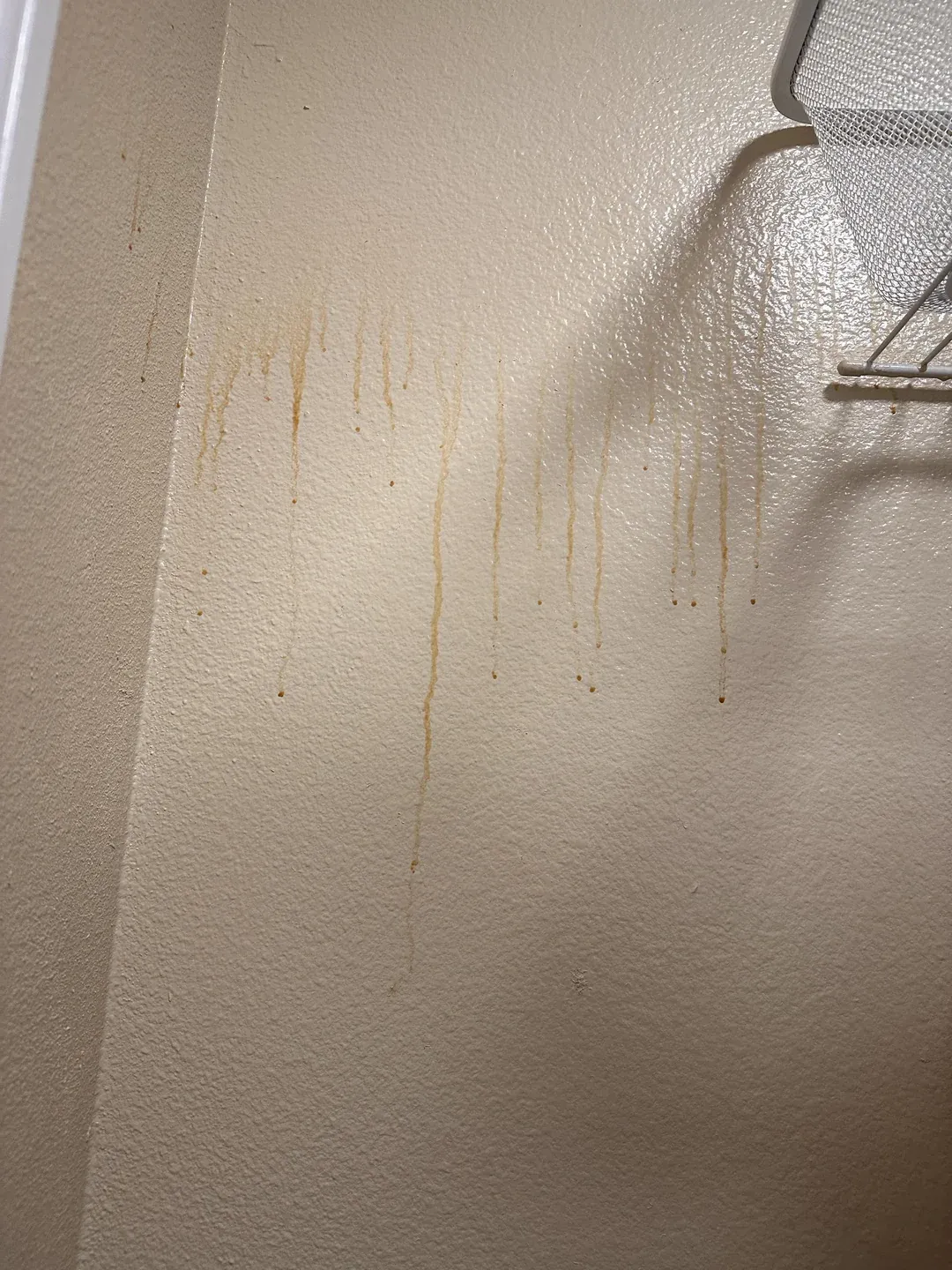
Signs of a leak behind a wall include paint that bubbles, peels or cracks; drywall that feels soft or looks warped; yellow or brown stains; swollen or separating baseboards; a musty smell; mold or mildew near the floor; damp carpet along the wall; and the sound of dripping or running water when nothing is on. Leaks most often show up on walls behind bathrooms, kitchens, laundry areas and the water heater.
- Look closest at walls that share space with plumbing fixtures.
- Bubbling paint and swollen baseboards are often the earliest visible signs.
- A drip that only happens when a fixture runs is likely a drain; a constant one is likely supply.
- Pinpointing first means a small, targeted opening instead of removing whole sections of drywall.
Where to Look First
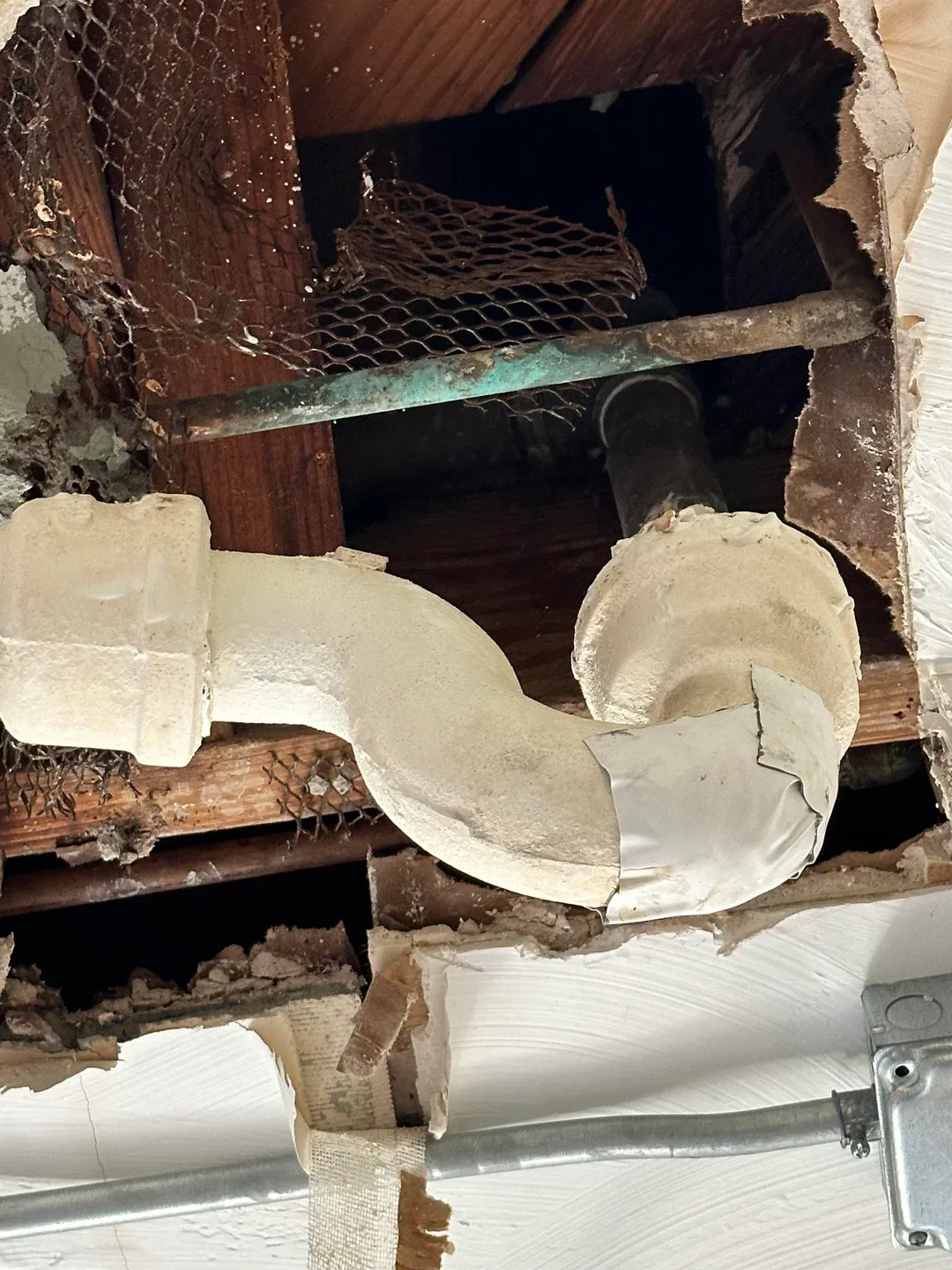
Water lines and drains run inside the walls behind sinks, toilets, tubs and showers, behind the washing machine and refrigerator, and around the water heater. In Plant City homes on slabs, supply lines often rise up through the floor into these walls, and in some homes they run through the attic and drop down. Start with walls that back onto a bathroom, kitchen or laundry room, including the wall on the other side in the next room or a closet.
The Warning Signs
Paint changes. Bubbling, blistering, peeling or a slightly raised patch of paint means moisture is pushing through from behind.
Stains. Yellow, brown or darker patches, often with a ring-shaped edge, that grow over time.
Soft or warped drywall. Press gently: drywall that gives, crumbles or feels cool and damp is wet inside.
Swollen baseboards. MDF and wood trim swell, split or pull away from the wall when water wicks into them from below.
Musty odors. A persistent damp smell in one room or closet, even when it looks clean. In Florida humidity this can show up quickly.
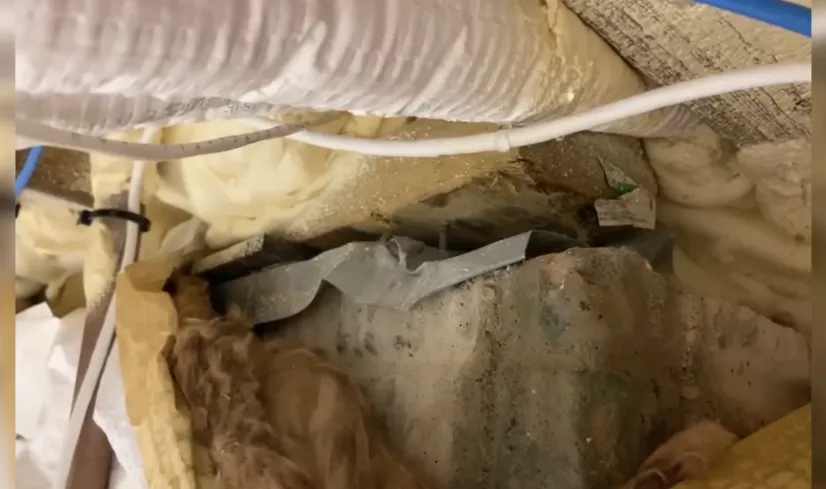
Mold or mildew along the bottom of the wall, in corners, or behind furniture.
Damp flooring along the base of the wall.
Sounds. Dripping, trickling or hissing inside the wall with all fixtures off.
Supply Leak or Drain Leak?
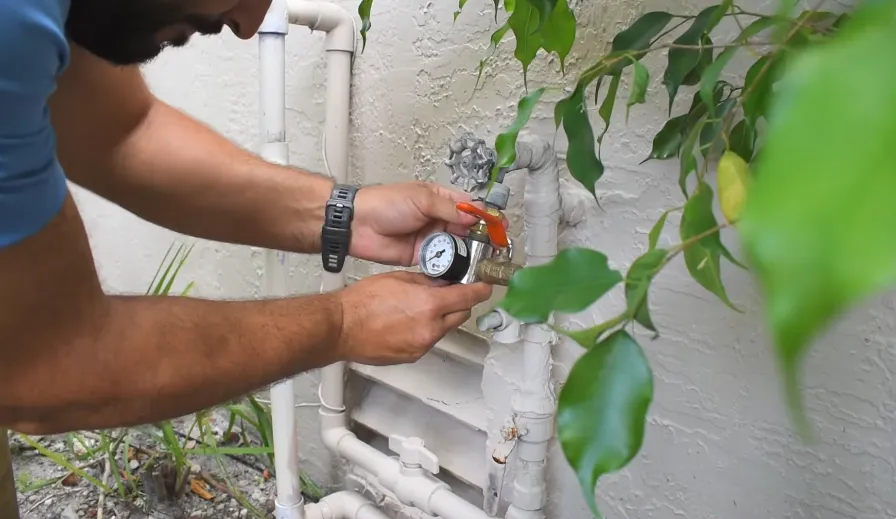
Pressurized supply lines leak all the time, whether you're using water or not, so a supply leak moves the water meter with everything off. Drain lines only carry water when a fixture is used, so a drain leak shows up after showers, flushing or running the dishwasher, and the meter stays still at rest. A quick water meter test helps tell them apart, which matters for how the leak is found and fixed.
Checks You Can Do
- Do the meter test with all water off.
- Run each fixture separately and check the wall afterward for new dampness.
- Check the caulk and grout around tubs and showers; a gap can let water into the wall without any pipe leaking. See shower pan and bathroom leaks.
- Look inside sink cabinets for drips, stains or warped cabinet floors.
- Check behind the washer for a dripping hose connection.
How Pros Find It Without Tearing Out the Wall
Instead of cutting open large sections of drywall, a provider uses moisture meters to map how far the water has spread, thermal imaging to see temperature differences where wet materials are cooler or a hot line is warmer, and acoustic listening to hear pressurized water escaping. Isolating hot and cold lines with pressure tests confirms which side is leaking. The result is a precise spot, so the opening is small and easier to patch.
After It's Found
Once the leak is repaired, the wall cavity needs to dry. In Plant City's humidity, wet insulation and drywall may need fans, dehumidifiers or removal of damaged material to prevent mold. Moisture readings confirm when the wall is dry enough to close. See in-wall pipe leak detection for the full process.
Frequently Asked Questions
How long can a leak behind a wall go unnoticed?
Slow leaks can run for weeks or months before stains or odors appear, which is why early signs matter.
Is bubbling paint always a leak?
Not always, but it means moisture is getting into the wall. It could be a pipe, a shower, a window or exterior water intrusion.
Can thermal imaging see inside walls?
It reads surface temperature, showing patterns caused by wet materials or hot pipes behind the drywall.
Will the wall need to be opened?
Usually a small section is opened at the pinpointed spot to make the repair, then patched.
Should I worry about mold?
Moisture in walls can lead to mold in Florida's humidity. Fixing the leak and drying the area promptly reduces the risk.