An automatic water shut-off valve is a motorized valve installed on the main water line that closes when it detects a leak, either through connected floor sensors, by monitoring flow for patterns like continuous or unusually high use, or both. Most can be controlled from a phone. They're especially useful for seasonal homes, frequent travelers and homes with water lines in attics or upper floors.
- Two main types: sensor-triggered and flow-monitoring.
- Installation on the main line is usually a job for a licensed plumber.
- Pick a valve with manual override and battery or power-loss behavior you understand.
- It's protection, not detection: an existing hidden leak still needs finding.
Main Types
Sensor-triggered valves. A valve on the main line paired with floor sensors. When a sensor detects water, the valve closes. Simple and effective for leaks that reach the floor near a sensor.
Flow-monitoring valves. These measure water flow and learn your normal patterns. They can close the valve on a sudden high flow, like a burst pipe, or alert you to continuous low flow, like a running toilet or a slab leak. Some run periodic pressure checks to detect very small leaks.
Retrofit actuators. A motor that clamps onto an existing quarter-turn ball valve and turns it. Easier to install, but only works on a valve in good condition.
Who Benefits Most
- Seasonal residents and snowbirds whose homes sit empty part of the year
- Frequent travelers
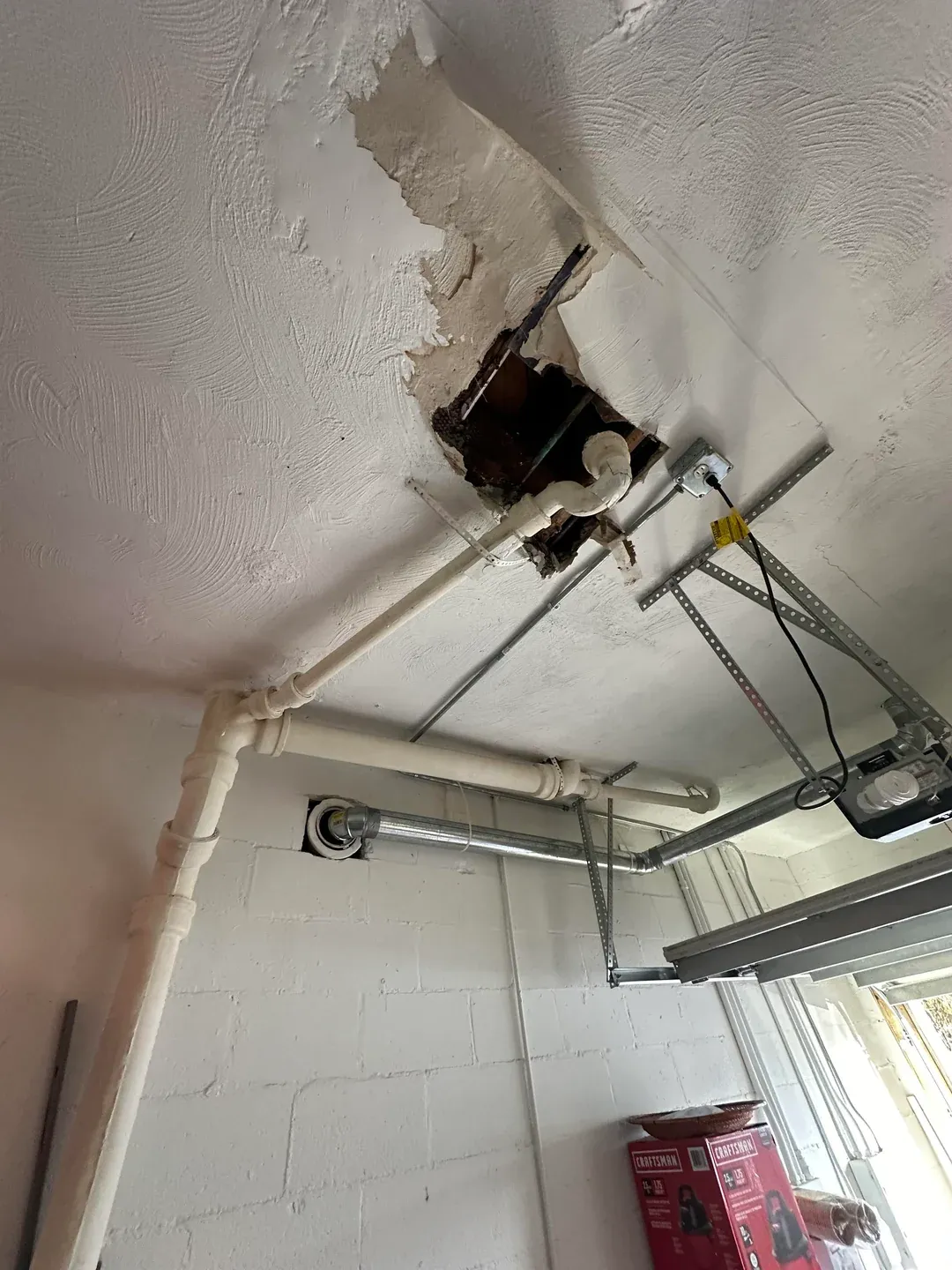
- Homes with water lines in the attic or on a second floor
- Rental properties and short-term rentals
- Homes that have had leaks before
What to Consider
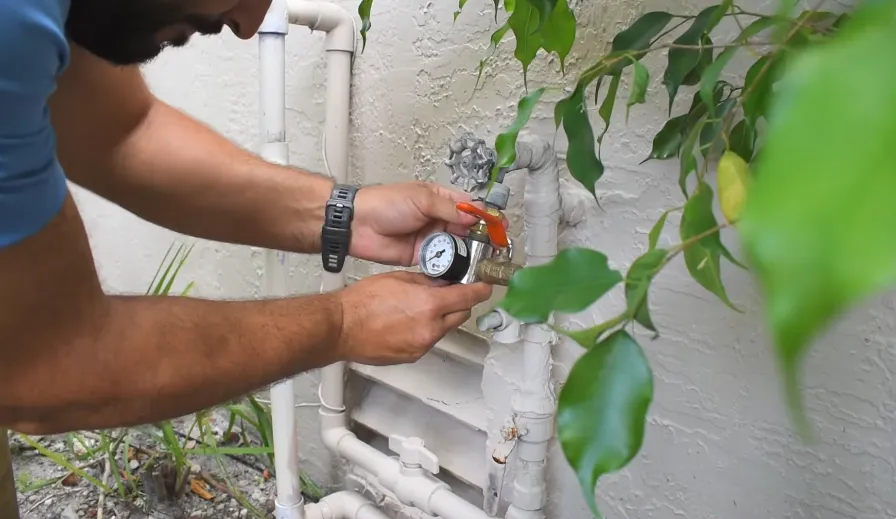
Your main line. The valve must fit your pipe size and material, and be installed where the main enters the house, after the house shut-off.
Power and connectivity. Find out what the valve does if power or Wi-Fi goes out. Florida storms make this important. Many models have battery backup or a manual override.
Irrigation and pools. If the irrigation tees off before the house, the valve won't control it. A pool autofill on the house side will be controlled, which is useful for catching pool leaks.
Well systems. On a private well, the valve can go after the pressure tank, and some systems can also cut the pump.
Insurance. Some insurers recognize water protection devices. Ask your insurer.
Installation
Installing a valve on the main line involves cutting into the pipe, so it's typically done by a licensed plumber. Before installing, it's smart to make sure the existing system isn't already leaking: a flow-monitoring valve on a leaking system may alarm right away. A meter test or a professional whole-home leak inspection gives you a clean starting point.
What They Don't Do
An automatic valve limits damage from future leaks. It doesn't find a leak that's hidden in a wall or slab, and it doesn't fix the cause. If your valve or flow monitor reports continuous flow and you can't find the source, that's a job for leak detection. Pairing the valve with leak sensors and knowing where your manual shut-off is completes the setup.
Frequently Asked Questions
Do automatic shut-off valves work without Wi-Fi?
Many can still close based on local sensors or flow, but remote alerts and control need connectivity. Check the model's behavior.
Can a shut-off valve detect a slab leak?
Flow-monitoring valves can detect continuous small flows that suggest a hidden leak, but they can't tell you where it is.
Will it shut off my sprinklers?
Only if the irrigation is on the house side of the valve. Many systems tee off before the house.
Can I install one myself?
Retrofit actuators can be DIY friendly. Inline valves on the main line are usually installed by a licensed plumber.
Do insurers give discounts for these valves?
Some do. Ask your insurer about water protection devices.