A pool bucket test compares water loss in your pool with loss from a bucket of pool water set on the pool step. Both sit in the same sun, wind and temperature, so the bucket shows how much evaporation alone removes. If the pool drops noticeably more than the bucket over 24 hours, typically more than about an eighth of an inch, water is likely leaving through the shell, fittings or plumbing.
- Turn off the autofill before you start, or the test won't work.
- Set the bucket on the first or second step so it shares the pool's temperature.
- Run one test with the pump on and one with it off: the difference hints at where the leak is.
- Rain or splashing during the test means starting over.
What You Need
- A 5-gallon bucket
- A waterproof marker or strip of tape
- Something to weigh the bucket down, like a few bricks or rocks, if needed
- A 24-hour stretch without rain, swimming or heavy splashing
How to Do the Bucket Test
- Turn off the autofill valve or float so the pool isn't topped up during the test.
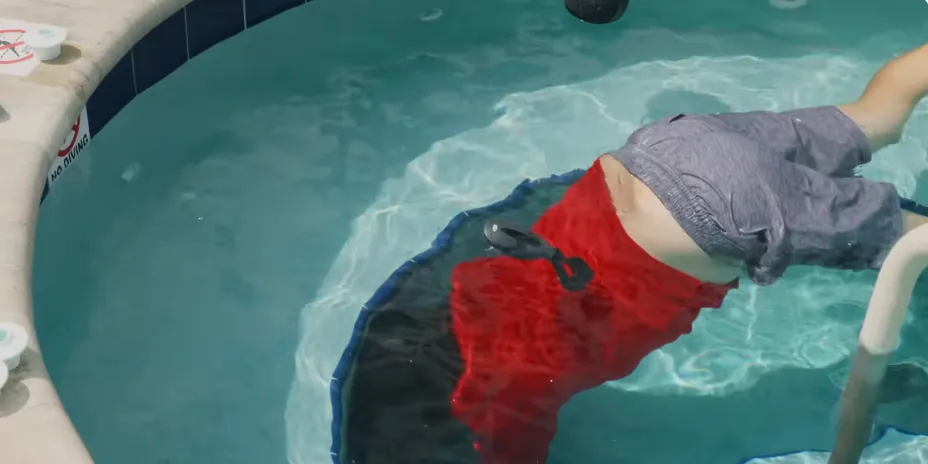
- Fill the bucket with pool water to about an inch or two from the top, and set it on the first or second step so it's partly submerged. Weight it if it floats.
- Match the levels. Fill the bucket so the water inside is at the same height as the pool water outside.
- Mark both levels: the water line inside the bucket, and the pool water line on the outside of the bucket.
- Run the pump on its normal schedule and wait 24 hours.
- Measure how far each level dropped, in inches.
Then repeat with the pump off for 24 hours. If the pool loses more with the pump running, the leak may be on the pressure side of the plumbing, after the pump. If it loses more with the pump off, look at the suction side or the shell. If it's the same either way, the shell, light niche or a fitting below the waterline is a candidate.
Calculate Your Results
Bucket Test Calculator
Enter your measurements to see whether the pool lost more than evaporation, and roughly how much.
Reading the Results
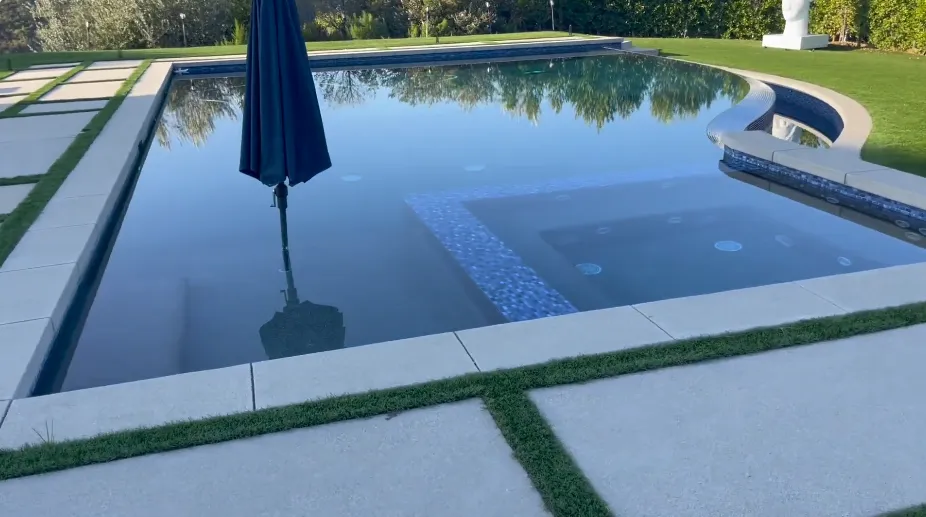
If the pool and bucket drop about the same amount, the loss is evaporation. Florida pools can lose a noticeable amount on hot, sunny, breezy days, especially with a waterfall or spa spillover running, so a pool that needs regular topping up in spring isn't necessarily leaking.
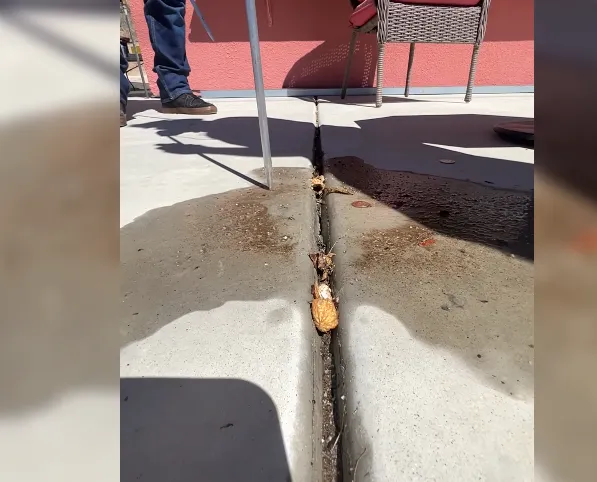
If the pool drops clearly more than the bucket, something else is taking water. A leak can also show up as cracks in the deck, soggy ground near the equipment pad, air in the pump basket, algae that keeps returning, or a water bill that rises because the autofill keeps running. Our guide to pool evaporation vs. leaks covers those signs.
Common Mistakes That Skew the Test
- Leaving the autofill on, which hides any loss.
- Placing the bucket on the deck, where it heats and cools differently from the pool.
- Running the test during a rainy afternoon, which is common in Plant City summers.
- Kids or pets in the pool during the test.
- Measuring by eye instead of with a ruler.
If the Test Points to a Leak
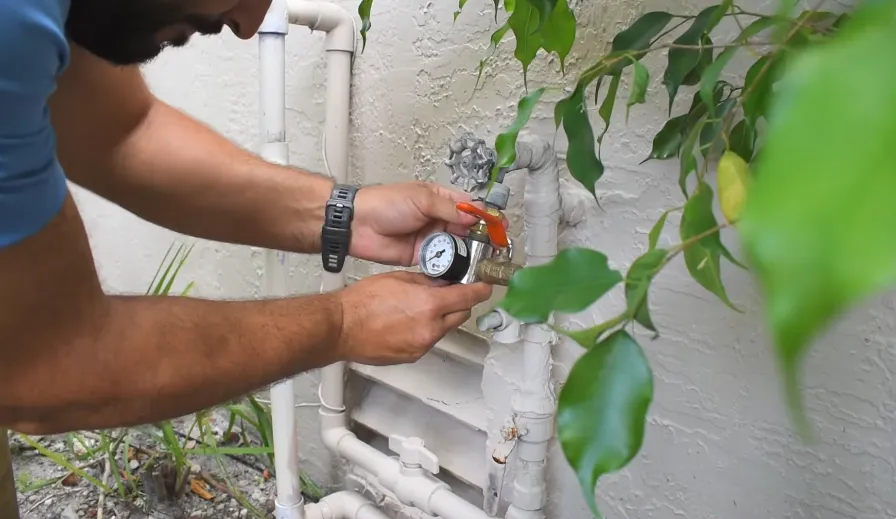
A bucket test tells you that a leak exists; it doesn't say where. Professional pool leak detection uses pressure tests on each line, dye testing at fittings and cracks, and underwater listening equipment to find the spot. If the pump-on test lost more water, pressure testing the plumbing is often the next step; see pool plumbing pressure testing. Keep your test numbers; they help the provider.
Frequently Asked Questions
How much water loss is normal for a Florida pool?
It varies with sun, wind, heat and water features. That's why the bucket test compares against evaporation on the same day rather than using a fixed number.
What if the bucket loses more than the pool?
That usually means the bucket wasn't set up right, for example sitting too high or in direct sun out of the water. Repeat the test.
Should the pump be on or off during the test?
Do both, on separate days. Comparing the results helps narrow down whether the leak is in the plumbing or the shell.
Can I do a bucket test on a spa?
Yes, the same idea applies, though small spas show changes quickly and heaters add evaporation.
My test shows a leak. What's next?
Call to be connected with a local pool leak detection provider and share your bucket test results.