Signs of an underground water line leak include a water meter that keeps moving with the house shut-off closed, a strip of greener or faster-growing grass, soft or sinking ground, puddles or mud that don't dry, lower water pressure, a hissing sound near the meter, and a rising water bill. In sandy Plant City soil, many leaks drain away without surfacing, so the meter test is the most reliable check.
- The service line runs from the meter to the house; the homeowner usually owns it.
- Meter moving with the house valve closed is the key test.
- Sandy soil can hide leaks completely, so a dry yard doesn't mean no leak.
- Call 811 before digging, and get the leak pinpointed rather than trenching the whole line.
What the Service Line Is
Your water utility's responsibility typically ends at the meter. From there, a buried service line, often copper, PVC, polyethylene or galvanized steel in older homes, carries water to the house shut-off. On a typical suburban lot that run is fairly short, but on larger properties in Trapnell, Knights or Dover it can be long, with branches to irrigation, a pool, a barn or a second structure. Any point along that line can fail.
The Signs to Look For
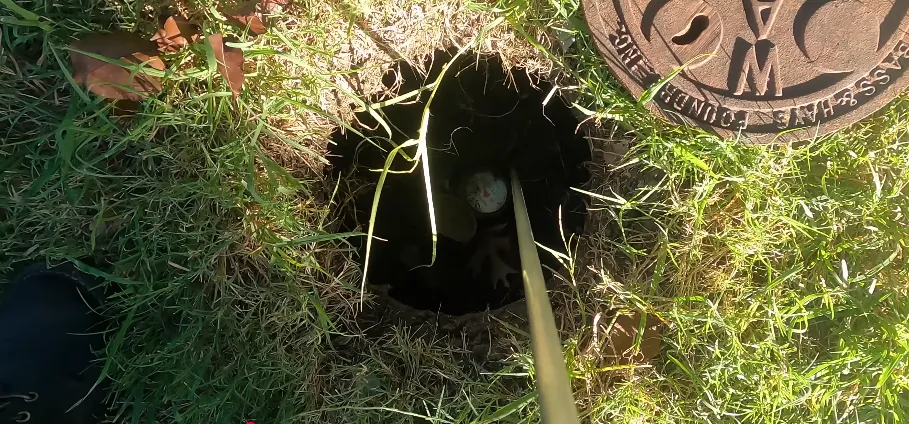
A meter that won't stop. Close the house shut-off and watch the meter. If it still moves, the leak is between the meter and the house, or on a branch that tees off before the house valve.
A green or lush strip. During dry spells, a line of grass that stays greener or grows faster than the rest of the lawn often traces the route of a leaking pipe.
Soft, spongy or sinking ground. Water washing out sand creates soft spots and small depressions, sometimes near the driveway or sidewalk.
Water that doesn't dry. Puddles or mud that remain days after rain, or water seeping near the meter box or along the driveway edge.
Lower pressure. A large leak diverts water before it reaches the house.
Hissing at the meter. With everything off, a hiss or rushing sound near the meter box can mean water is moving through it.
What Causes Buried Lines to Fail
- Tree roots growing around and squeezing the pipe
- Soil movement between wet and dry seasons
- Vehicles and equipment driving over shallow lines
- Fence posts, landscaping or irrigation work striking the pipe
- Corrosion and age, especially in galvanized and older copper
- Failed fittings and earlier patch repairs
How a Buried Leak Is Found Without Trenching
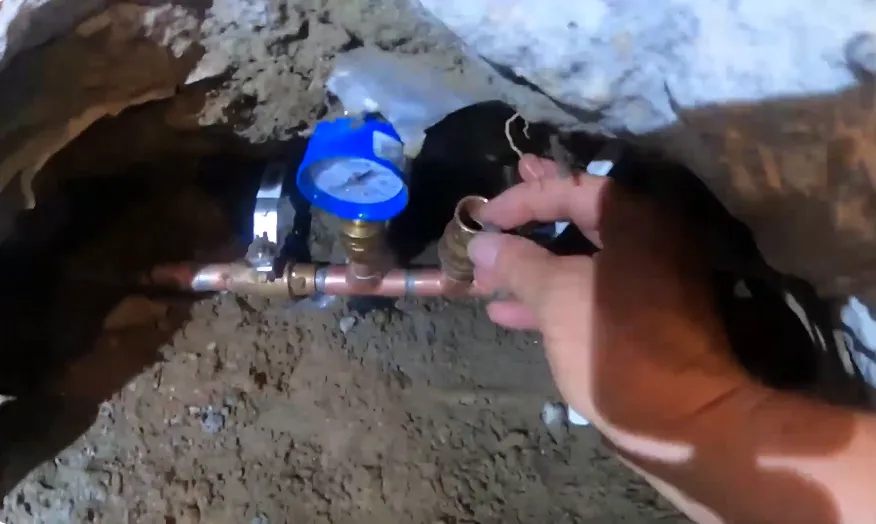
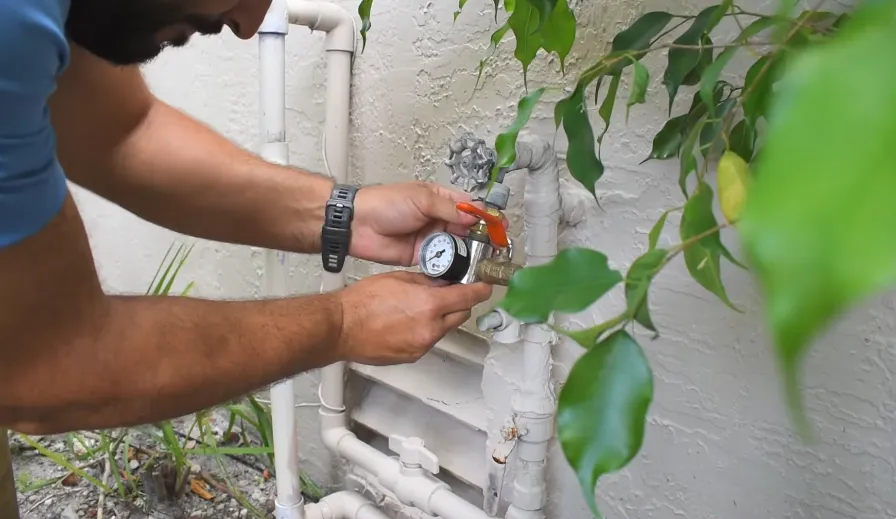
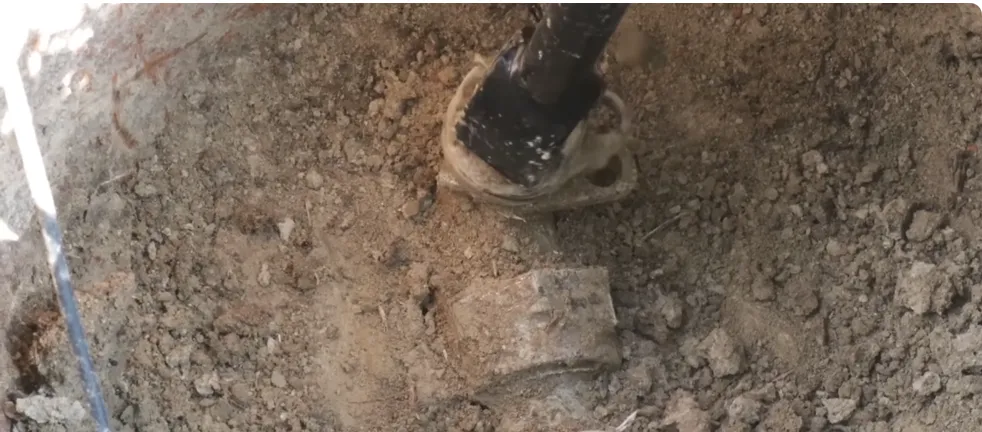
A provider first isolates the service line and confirms the leak with a pressure test. Next comes tracing the line's route, using a transmitter on metallic pipe or a tracer method on plastic pipe; see pipe and line locating. Then the line is listened to along its length with acoustic ground microphones, sometimes after injecting air or a tracer gas to make the leak easier to hear or detect. The result is a marked spot, so the repair hole is small instead of a trench across your yard.
Before any digging: Call Florida's 811 service so utility lines like gas, electric and communications are marked first.
Repair or Replace?
Once the leak is located, you'll discuss options with the provider. A single leak on a line in good condition may get a spot repair. An old galvanized line or one with repeated failures may be better replaced, sometimes by boring a new line rather than digging a trench. Our water line leak detection page explains the process in more detail.
Frequently Asked Questions
Who is responsible for the water line in my yard?
Typically the homeowner owns the line from the meter to the house, and the utility owns the meter and the line before it. Check with your utility if you're unsure.
Can a service line leak without any wet spots?
Yes. In sandy soil, water can drain away underground without ever surfacing.
How deep is a typical service line?
Depth varies with the property and when it was installed. A provider can locate the line before any digging.
Will the whole yard need to be dug up?
Usually not. Pinpointing aims for one small excavation at the leak.
Is a leak near the meter box my problem or the utility's?
It depends which side of the meter it's on. If water is leaking before the meter, contact the utility.