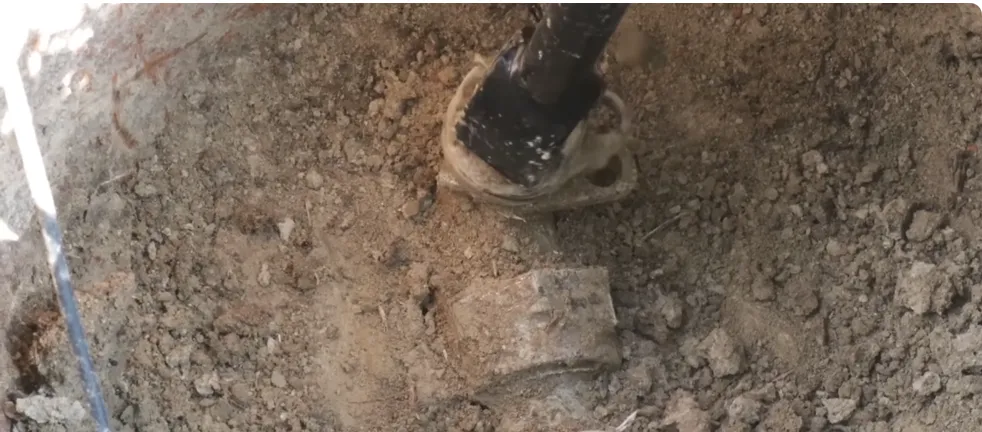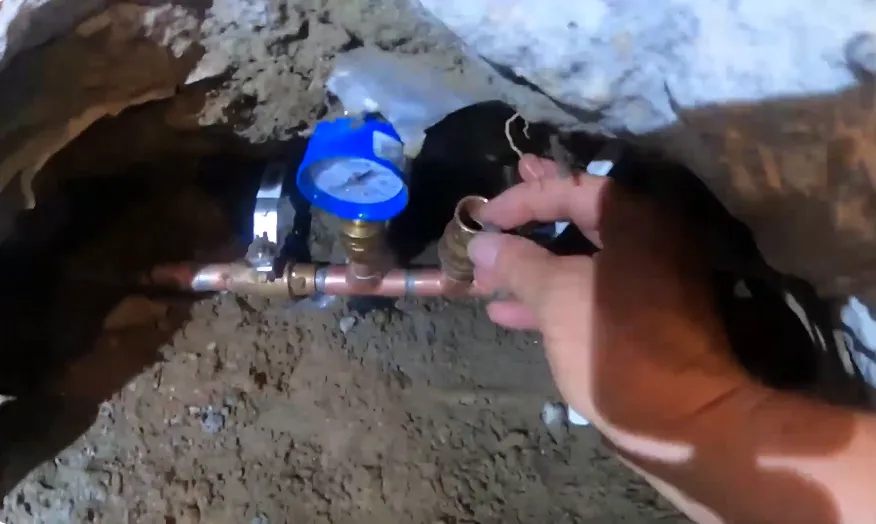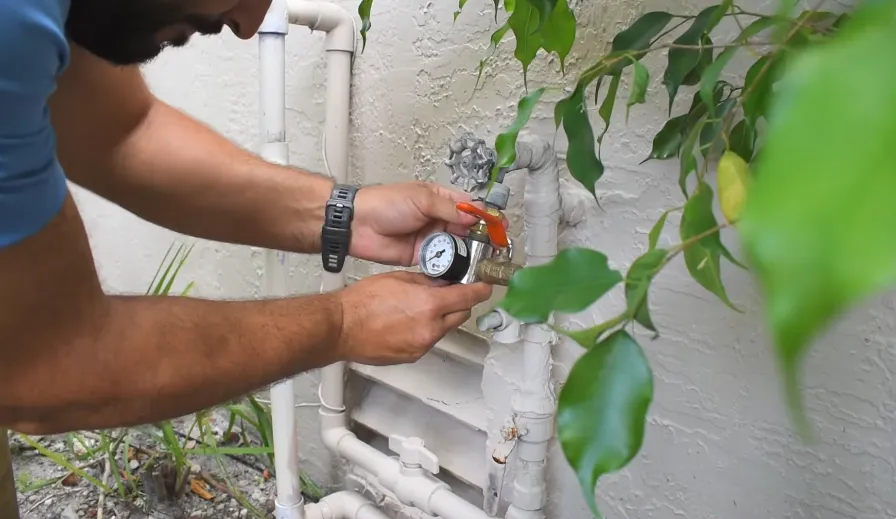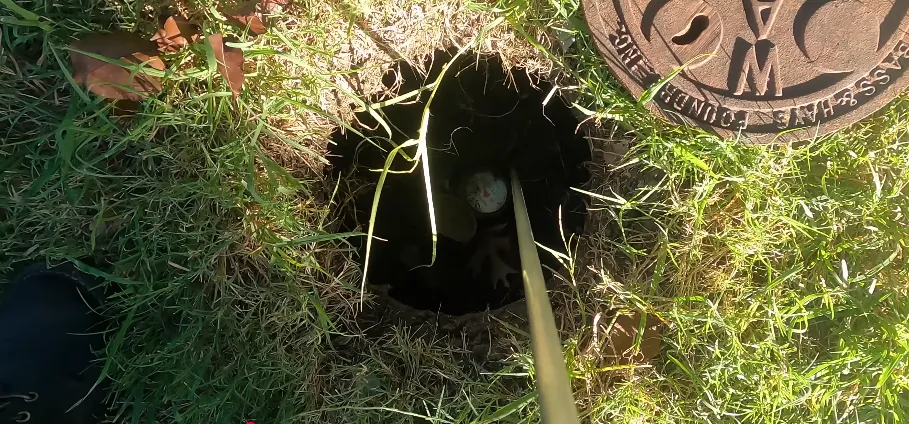
The most common causes of a high water bill in Plant City are irrigation running longer or more often than you think, a running toilet, a pool autofill that never shuts off, a leaking underground service line, a slab leak, a dripping fixture or water heater, a water softener stuck in regeneration, seasonal use changes, guests or new appliances, and occasionally a billing or meter-reading issue. A meter test separates real leaks from usage changes.
- Compare the bill to the same month last year, not last month.
- Irrigation is the biggest outdoor water user in most Plant City yards.
- A running toilet can waste a lot of water silently.
- If the meter moves with everything off, it's a leak, not usage.
First, Compare the Right Months
Water use in Central Florida follows the seasons. Spring is typically dry and warm, so lawns, gardens and pools need more water than in the summer rainy season, when afternoon storms do much of the watering for you. A bill that's higher in April than in January may simply reflect the season. Compare the current bill with the same period last year and look at the usage figure, not just the amount due. If usage jumped without a reason, keep going.
The 10 Most Common Causes
1. Irrigation schedules. A controller reset after a power outage or storm can revert to a default schedule that runs every day. Check the programming and look for zones running in the middle of the night.
2. Broken sprinkler heads or valves. A cracked head or a valve that doesn't close fully can run water constantly. See our irrigation leak detection page.
3. Running toilets. A worn flapper or a fill valve that doesn't shut off sends water down the drain without a sound you'd notice. Do a dye test on every toilet.
4. Pool autofill. If the pool is leaking, the autofill keeps topping it up and the loss shows on your water bill instead of in the pool level.
5. Underground service line leaks. A break between the meter and the house can soak into sandy soil without ever surfacing.
6. Slab leaks. Leaks under the concrete floor run continuously. Read the signs of a slab leak.
7. Dripping faucets and fixtures. Small but constant, especially outdoor hose bibs that no one checks.
8. Water heater leaks. A relief valve discharging or a leaking tank can drain into a pan or line that runs outside.
9. Water softeners and filters. A softener stuck in its regeneration cycle can send water to the drain for hours.
10. Changes in the household. Guests, a new appliance, filling a pool, pressure washing or new landscaping all show up on the bill.
Run the Meter Test to Separate Use From Leaks
Turn off all water use and watch the meter's low-flow indicator for 15 minutes. If it moves, something is leaking. Then close the house shut-off: a meter that keeps moving points to the yard line or irrigation; a meter that stops points inside the house. The full process is in our water meter leak test guide.
How to Check Every Toilet in Five Minutes
Lift each tank lid and add a few drops of food coloring. Don't flush. Wait about 15 minutes. If the color appears in the bowl, the flapper is leaking. Also watch for water trickling into the overflow tube, which means the fill valve is set too high or failing. Our page on toilet and silent leaks has more detail.
Walk the Property
Look for soggy patches or unusually green strips of grass in dry weather, especially along the route from the meter to the house. Check the hose bibs, the irrigation backflow device, pool equipment and any lines to sheds or outbuildings. In sandy Plant City soil, water from a buried leak can drain away without ever pooling, so a dry yard doesn't rule out a leak.
If You Find Nothing
If the meter is still and nothing in the house or yard explains the jump, contact your water utility. They can check whether the meter was read correctly and review your usage history. If the meter moves but you can't find the source, it's time for professional water line leak detection. Keep your bills; leak documentation can matter if you ask the utility about an adjustment.
Frequently Asked Questions
How do I know if a high water bill is a leak?
Turn off all water use and watch the meter. If the leak indicator moves, water is escaping. If it doesn't, the higher bill is likely usage or billing.
Can a running toilet really raise my bill?
Yes. A toilet that runs constantly can use far more water than normal daily use, and it often goes unnoticed.
Why is my bill higher in spring?
Spring in Central Florida is usually dry, so irrigation and pools use more water before the summer rains return.
Will my utility adjust my bill for a leak?
Policies vary by utility. Ask your provider and keep records of the leak and the repair.
My meter is still but my bill is high. What now?
Contact your water utility to check the reading and usage history, and review irrigation schedules and recent household changes.