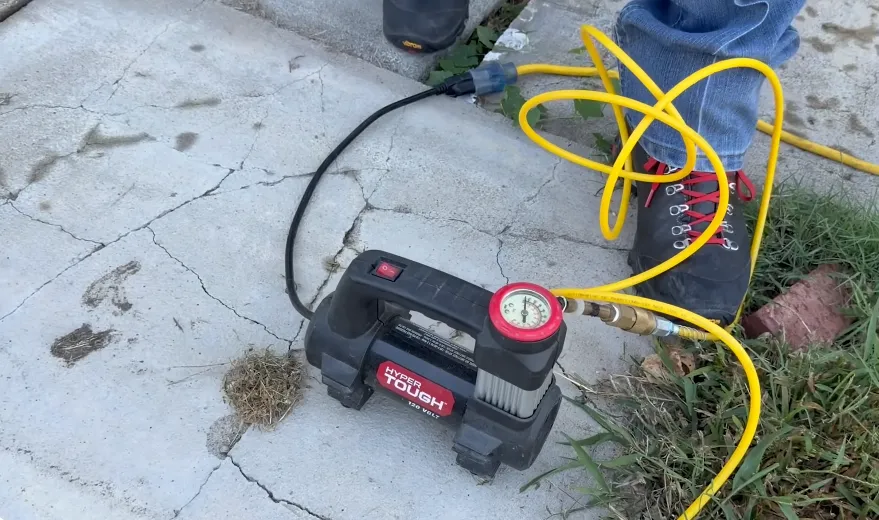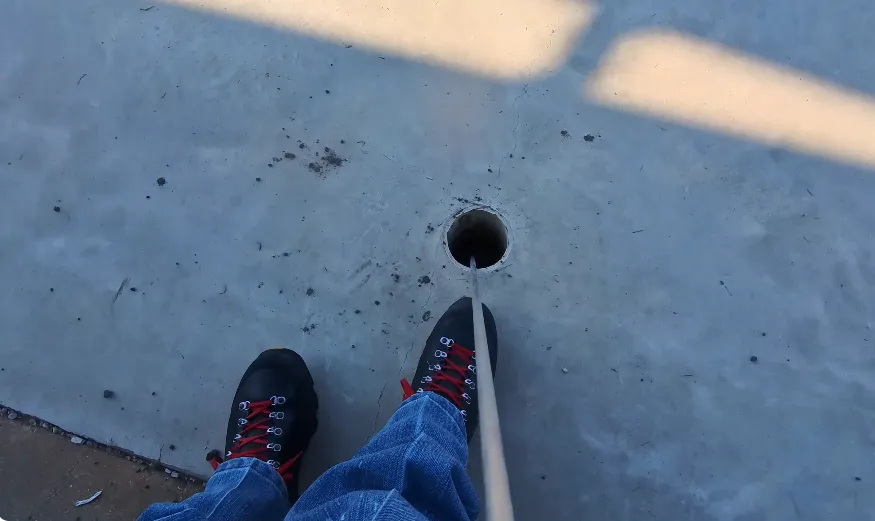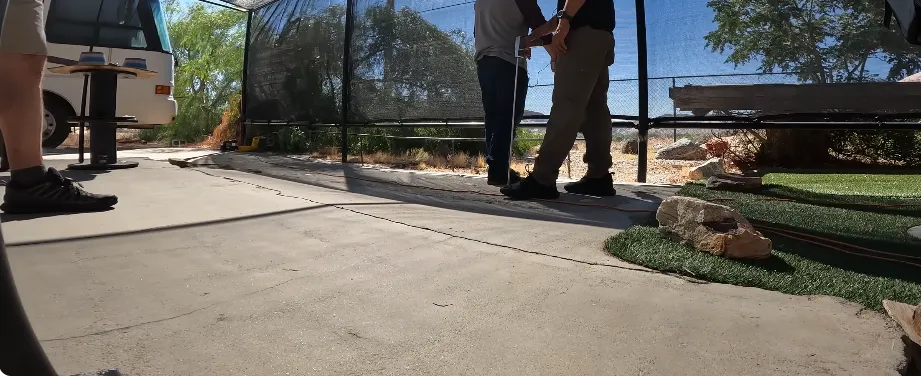
A slab leak detection visit usually follows the same path: the provider confirms there is a leak with the water meter, isolates the hot and cold sides with pressure tests, traces where the lines run under the floor, then pinpoints the break with acoustic listening, thermal imaging or tracer gas. The goal is to mark one small spot on the floor before anything is opened.
- Confirm first, pinpoint second: the meter and pressure tests come before any listening.
- Hot and cold lines are tested separately to narrow the search.
- Several methods are often combined, because concrete muffles sound and spreads heat.
- You should finish with a marked location and an explanation of the findings.
Before the Visit: The Phone Call
When you call, the provider will ask what you have noticed: a moving meter, a warm spot on the floor, the sound of running water, a higher bill. They will also ask how old the home is and whether you know if the pipes are copper or PEX. Have a recent meter reading if you can. Our water meter leak test shows how to take one.
Tip: Clear access to the water heater, the main shut-off and the floors in the suspect area. Moving a rug or a piece of furniture before the visit saves time.
Step 1: Confirm the Leak
The provider starts at the meter with all water off. If the leak indicator moves, water is escaping somewhere. Closing the house shut-off tells them whether the leak is inside the home or on the yard line. A slab leak is suspected when the meter stops with the house valve closed and no fixture, toilet or appliance explains it.
Step 2: Isolate Hot and Cold
Next comes isolation. By closing the cold inlet at the water heater and attaching gauges to the system, the provider pressure tests the hot and cold sides separately. A side that loses pressure is the one with the leak. This step alone cuts the search area roughly in half and tells the provider which tools will work best.
Step 3: Trace the Lines
Pipes under a slab rarely run in straight, obvious paths. The provider traces the route of the leaking line, using electronic line locators on metal pipe or tracing methods on plastic pipe. Knowing where the pipe runs keeps the listening focused on the right part of the floor. See pipe and line locating.
Step 4: Pinpoint the Break
Acoustic listening. Ground microphones pick up the sound of water escaping under pressure. The provider moves along the traced line until the sound peaks.
Thermal imaging. On a hot-water leak, a thermal camera shows the warm pattern on the floor and helps confirm the spot.
Tracer gas. For very quiet leaks, or PEX lines that carry less sound, a safe tracer gas is pushed through the drained line and detected where it rises through the slab. See tracer gas leak detection.
Most visits combine two or more methods, because each one checks the others.
Step 5: The Mark and the Findings
The visit ends with a marked spot on the floor and an explanation of what was found: which line, roughly how deep, and what the repair options look like. Ask for photos and notes if you plan to file an insurance claim. The provider can then discuss a spot repair, a reroute, or a wider repipe. More on the full service at slab leak detection.
Frequently Asked Questions
How long does slab leak detection take?
It depends on the home and the leak. A straightforward hot-water leak can be found quickly, while quiet or multiple leaks take longer. The provider can give you a better idea on the call.
Will the provider break the floor during detection?
Detection is non-invasive. The floor is only opened afterward, at the marked spot, if you choose a direct repair.
Do I need to be home?
Yes. The provider needs access to the meter, water heater and floors, and it helps to walk through what you have noticed.
Can they tell if there is more than one leak?
Pressure tests show whether a side still loses pressure after one leak is found, which points to another leak.
How do I get a quote?
Call (813) 303-9621 with your meter reading and any warm spots you noticed, and a local provider can give you a free quote for the visit.