Leaks from the top of a water heater usually come from the inlet or outlet connections, the shut-off valve, the anode rod port or the relief valve, and are often repairable. Leaks from the bottom may be the drain valve, relief valve discharge, condensation, or water from a leak elsewhere, but water seeping from the tank body itself usually means the tank has corroded through and needs replacement.
- Dry everything, then watch where water reappears first.
- Top leaks are often fittings and valves.
- A rusted tank leaking from the bottom usually means replacement.
- A relief valve that discharges is warning you about pressure or temperature.
First: Make It Safe
- For an electric heater, turn off the breaker. For gas, turn the control to off or pilot.
- Close the cold-water inlet valve on top of the heater.
- If water is spreading and the inlet valve doesn't stop it, close the main shut-off.
- Let the water cool before touching fittings or draining.
Leaks From the Top
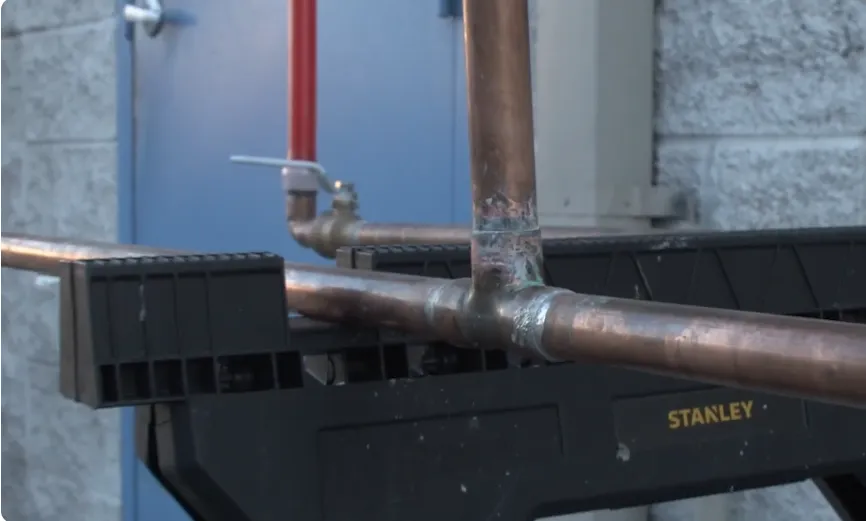
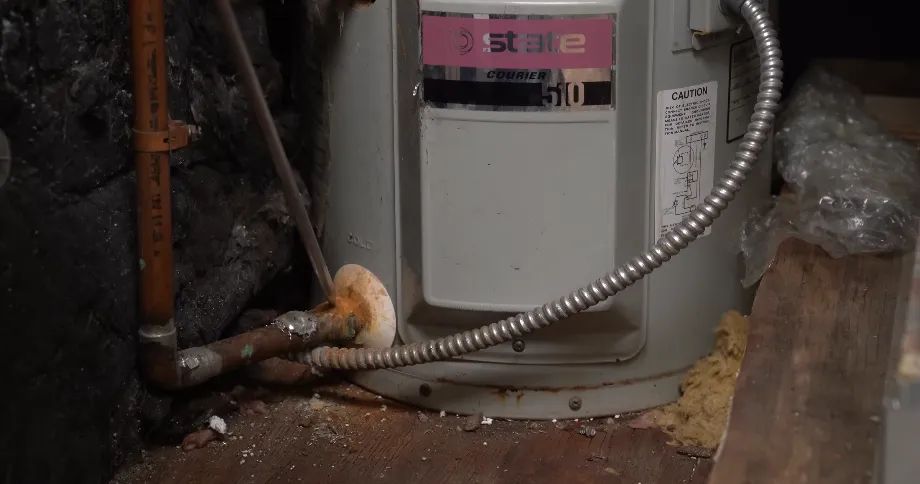
Inlet and outlet connections. Fittings and flexible connectors can loosen or corrode. Look for drips, white mineral crust or green corrosion. Plant City's hard groundwater speeds up mineral buildup at connections.
Cold-water shut-off valve. The valve stem can leak around the handle.
Anode rod port. The fitting where the sacrificial anode rod threads into the tank can leak if corroded.
Temperature and pressure relief valve. Mounted on the top or side, it can drip if it's worn or if it's opening because of high pressure or temperature.
Leaks From the Bottom
Drain valve. The valve near the bottom used for flushing can drip if it's not fully closed or its washer is worn.
Relief valve discharge. The relief valve's discharge pipe usually runs down near the floor or outside, so water from the top valve can appear at the bottom.
Condensation. Gas heaters can form condensation, especially when filled with cold water on humid days. It should stop once the tank heats up.
The tank itself. Water seeping from the bottom of the tank, often with rust, usually means the inner tank has corroded through. That can't be repaired; the heater needs replacing.
Somewhere else. Water near the heater can come from nearby pipes, the AC condensate line, or a slab leak. A warm puddle that doesn't come from the heater could be a hot-water line under the slab; see hot spots on the floor.
How to Find the Source
Dry the heater, fittings and floor completely with towels. Place dry paper towels around the base and on the connections. Check every few minutes to see where water appears first. Follow drips upward; water runs down the tank and pipes before it reaches the floor.
About the Relief Valve
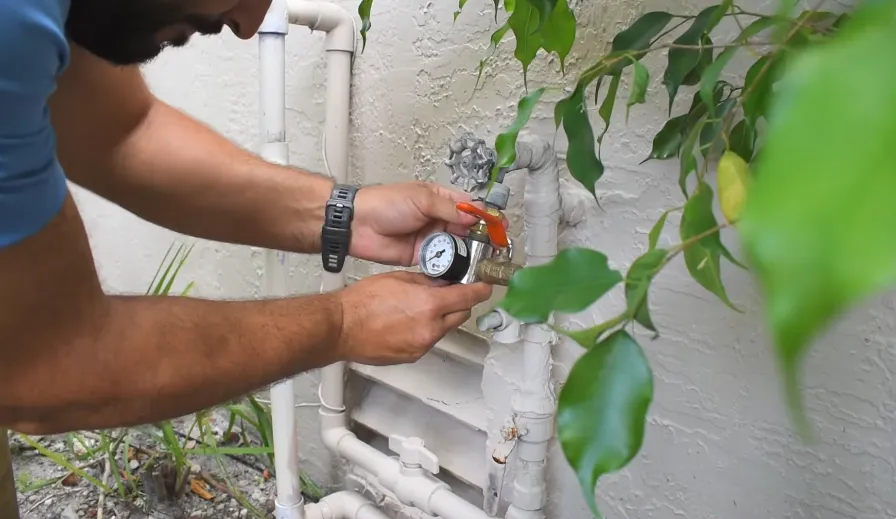
The relief valve is a safety device. If it's discharging, it may be worn, or it may be opening because pressure or temperature is too high, for example from a thermostat set too high or from thermal expansion in a closed system. Don't plug or cap it. Have the cause checked. Our guide to water heater pans and relief valves goes deeper.
When to Call
If the leak isn't a simple fitting, if water keeps appearing and you can't trace it, or if the area around the heater stays wet, call for water heater leak detection. A provider can determine whether it's the heater, a connection, or a hidden line nearby. For tankless units, see tankless water heater leaks.
Frequently Asked Questions
Can a leaking water heater be repaired?
Leaks at fittings, valves and the drain valve often can. A tank leaking from its body usually needs replacement.
Is it dangerous if my water heater is leaking?
Water near electrical connections or a gas burner is a safety concern. Turn off power or gas and the water supply.
Why is my relief valve dripping?
It may be worn, or pressure or temperature may be too high. Have it checked rather than capping it.
Is condensation on a gas water heater normal?
Some condensation can occur on cold startup, especially in humid weather. It should stop as the tank heats.
Could the water be from a slab leak?
Yes. Water near the heater may come from a nearby hot-water line under the slab.