Restaurant leak prevention comes down to regular checks of equipment connections, sinks, floor drains and grease traps, watching the water meter for after-hours use, keeping drains clear of grease, and fixing small drips quickly. Hidden leaks in slab or wall lines behind the cooking line are common in older buildings and need professional detection when signs appear.
- Check equipment water connections weekly.
- Grease is the enemy of kitchen drains.
- After-hours meter readings catch silent leaks.
- Wet floors with no spill, odors and pests can signal hidden leaks.
Why Kitchens Leak
Commercial kitchens combine high water use, hot water, vibration from equipment, grease, frequent cleaning and heavy foot traffic. Connections to ice machines, dishwashers, steamers and coffee equipment flex and loosen. Drain lines handle grease and food solids. Many restaurants in older buildings in downtown Plant City and along the main corridors have plumbing that has been modified many times over the years.
Weekly Checks
- Look behind and under each water-using appliance for drips and wet spots.
- Check supply hoses and connections on ice machines, dishwashers and beverage equipment.
- Inspect three-compartment and hand sink supplies and drains.
- Watch floor drains for slow draining or backups.
- Check the pre-rinse sprayer and faucets for drips.
- Note any wet floors that appear without a spill.
Drains and Grease
Grease that goes down drains cools and builds up, narrowing lines until they clog or back up. Follow your grease trap or interceptor maintenance schedule, train staff to scrape plates before washing, and never pour grease down sinks. Repeated slow drains or odors may mean a drain line problem worth a camera inspection; see sewer camera inspection.
Use the Meter
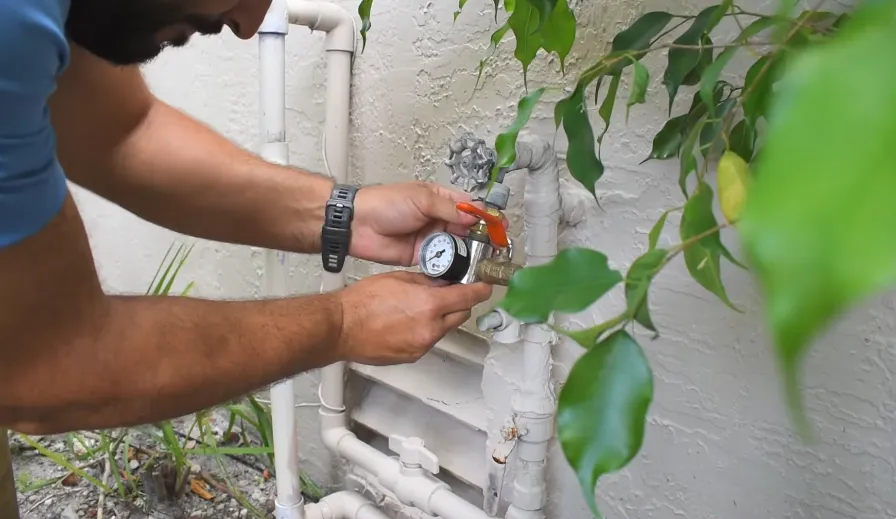
Read the water meter when you close and before you open. Any use overnight, when nothing should be running, points to a leak or equipment that's not shutting off. Our commercial water bill checklist goes through the full process.
Make a Simple Leak Plan
- Mark the main water shut-off and train managers to use it.
- Know the shut-offs for each major appliance.
- Keep a log of leaks and repairs.
- Consider leak sensors under equipment and near the water heater; see our guide to smart leak sensors.
Frequently Asked Questions
How often should a restaurant check for leaks?
Quick visual checks weekly, with after-hours meter readings to catch hidden leaks.
Can grease cause leaks?
Grease mainly causes clogs and backups, which can stress drain lines and lead to overflows.
What if we find a leak during service hours?
Shut off the affected appliance's valve if possible. For larger leaks, close the main and call.
Can leak detection be done when we're closed?
Many providers can schedule around business hours. Ask when you call.
Are leak sensors worth it for restaurants?
They can alert staff to leaks under equipment and near water heaters, especially after hours.