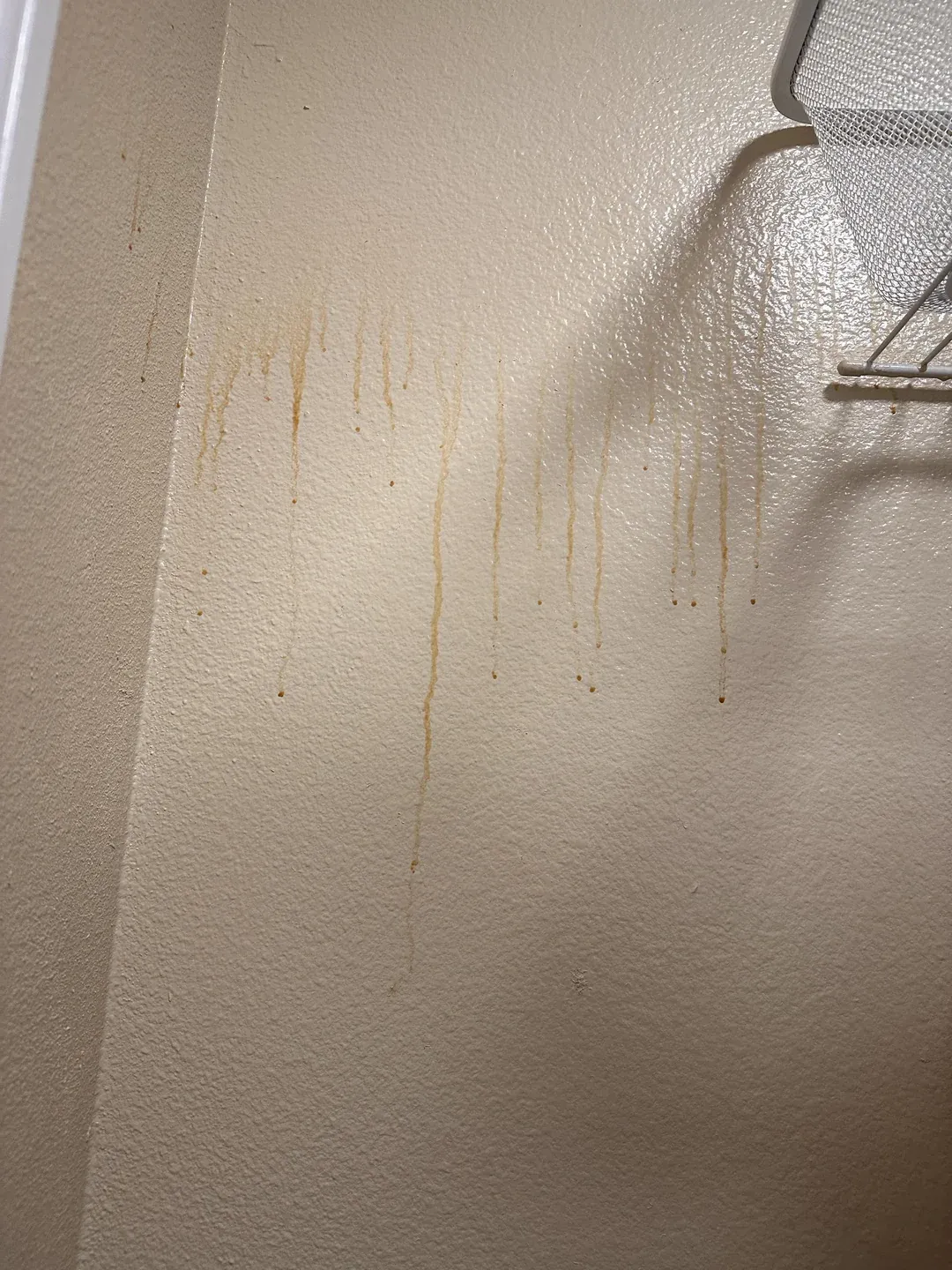
A musty smell with no visible leak usually comes from moisture hidden inside walls, under flooring, beneath cabinets, around a tub or shower, in the attic, or from the AC system's condensate. In Plant City's humid climate, high indoor humidity alone can cause it too. Checking the water meter, cabinets, AC drain pan and humidity level narrows it down; moisture mapping and thermal imaging find what's hidden.
- Persistent musty odor means moisture somewhere, even without a stain.
- Check indoor humidity; Florida homes can smell musty from humidity alone.
- Sink cabinets, behind the toilet and the AC closet are top hidden spots.
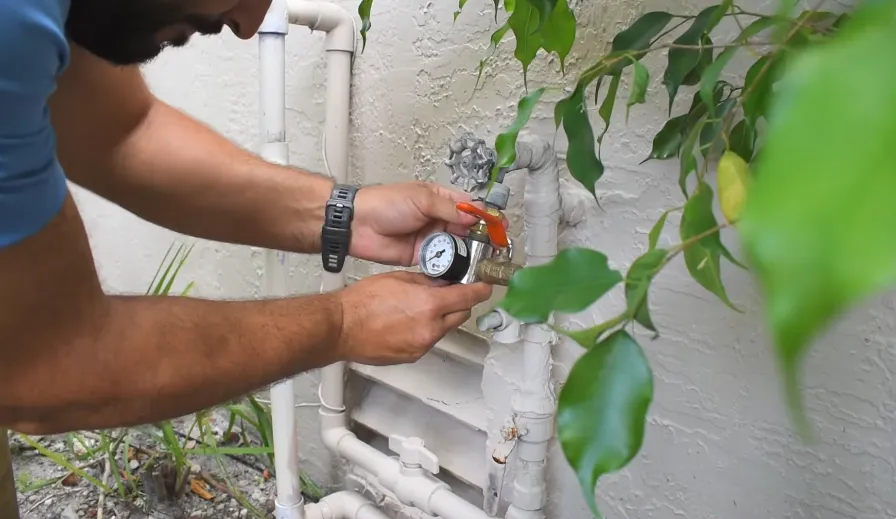
- A moving water meter confirms a plumbing leak rather than humidity.
Why It Smells Musty
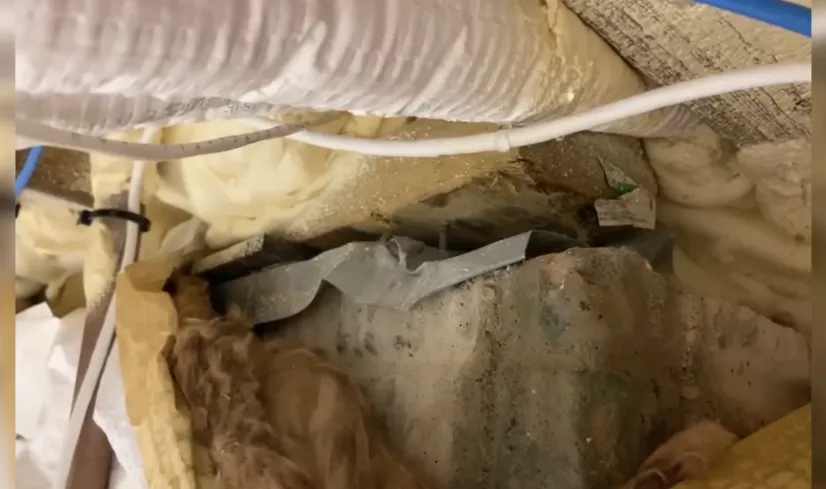
That smell is produced by mold and mildew growing on damp materials like drywall paper, wood, carpet pad and dust. It doesn't take much water: a slow drip inside a wall or under a cabinet can keep materials damp enough for growth. Florida's warm, humid air speeds it up. The smell is often strongest in the morning, after the house has been closed up, or when the AC cycles off.
The Most Common Hidden Sources
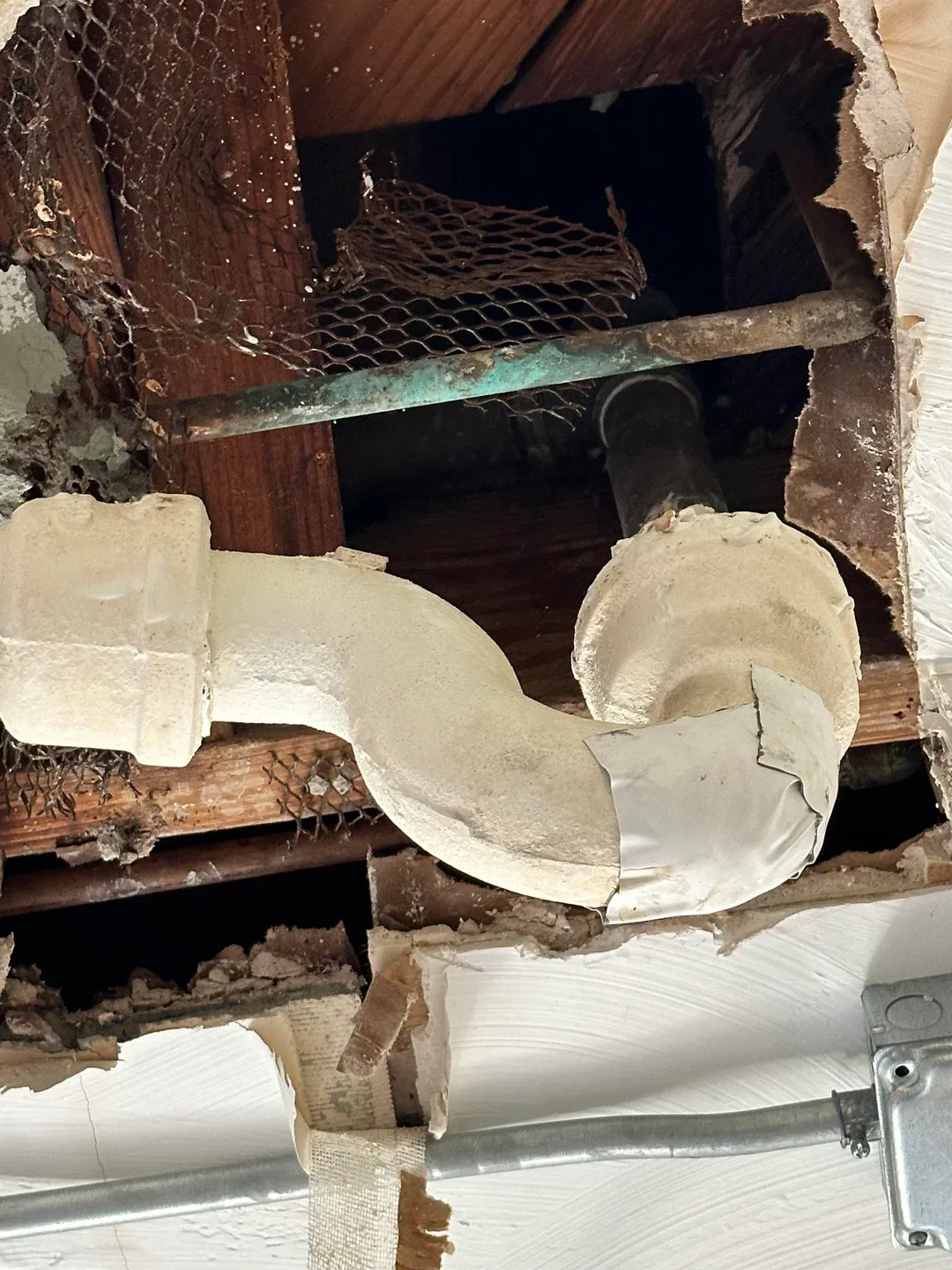
Under sinks. Slow drips from supply connections, drain slip joints or the dishwasher line soak into the cabinet floor, which can swell and hide the water.
Behind and under toilets. A failing wax ring lets water seep under the flooring each time you flush. See toilet leaks.
Showers and tubs. Failed grout, caulk or a shower pan leak soaks the wall or subfloor.
The AC system. A clogged condensate drain or rusted drain pan in the air handler closet can drip into walls or ceilings. In Florida, that's a very common cause.
Water heater area. A slow leak at fittings or the relief valve line.
Behind the washer and refrigerator. Supply hoses and ice maker lines.
The slab. A slow under-slab leak can keep carpet pad and baseboards damp. See the signs of a slab leak.
Rule Out Humidity First
Buy an inexpensive hygrometer and check indoor humidity in a few rooms. If humidity is high throughout the house, the AC may not be removing enough moisture, perhaps because it's oversized, set to run the fan constantly, or due for maintenance. If humidity is normal and one room or closet still smells, that points to a local water source.
Quick Checks You Can Do
- Run a water meter test with everything off.
- Empty sink cabinets and look and feel for damp wood, stains or swelling.
- Rock each toilet gently and look for staining or softness at the base.
- Open the AC air handler closet and check the drain pan and condensate line.
- Pull the washer and refrigerator out and check the hoses and floor.
- Sniff closets that share a wall with a bathroom.
How Hidden Moisture Is Found
When the source isn't obvious, a provider maps moisture with pin and pinless meters, scans walls, ceilings and floors with thermal imaging, and uses pressure tests and acoustic equipment if a plumbing leak is suspected. The goal is to separate plumbing leaks from AC condensate, shower intrusion or humidity, and pinpoint the source. See hidden moisture mapping and hidden water leak detection.
Frequently Asked Questions
Can a musty smell mean a leak even if nothing looks wet?
Yes. Water hidden inside walls, under floors or in cabinets can cause odors long before visible damage appears.
Could my AC be causing the smell?
It's common in Florida. A clogged condensate line or rusted drain pan can leak, and dirty coils can smell musty.
Is the smell harmful?
A musty smell often means mold growth. Finding and fixing the moisture source, and drying the area, is the priority.
Will a dehumidifier fix it?
It helps with general humidity, but it won't fix a plumbing leak. Find the source first.
How do I find a leak I can't see?
Start with the meter test and cabinet checks, then call for moisture mapping and thermal imaging if the source is still hidden.