A leak is an emergency if water is actively spreading and you can't stop it, if it's near electrical panels, outlets or appliances, if a ceiling is sagging, if you smell gas, or if sewage is backing up. A leak can usually wait for business hours if you've shut off the water to it, the area is contained and dry, and nothing is unsafe. When in doubt, shut off the water and call; the line is answered around the clock.
- Can't stop the water? That's an emergency.
- Water near electricity, a sagging ceiling, gas smell or sewage backup: act now.
- If closing a fixture valve or the main stops it, the rest can usually wait.
- A slow hidden leak still needs prompt attention, just not at 2 a.m.
Call Right Away If…
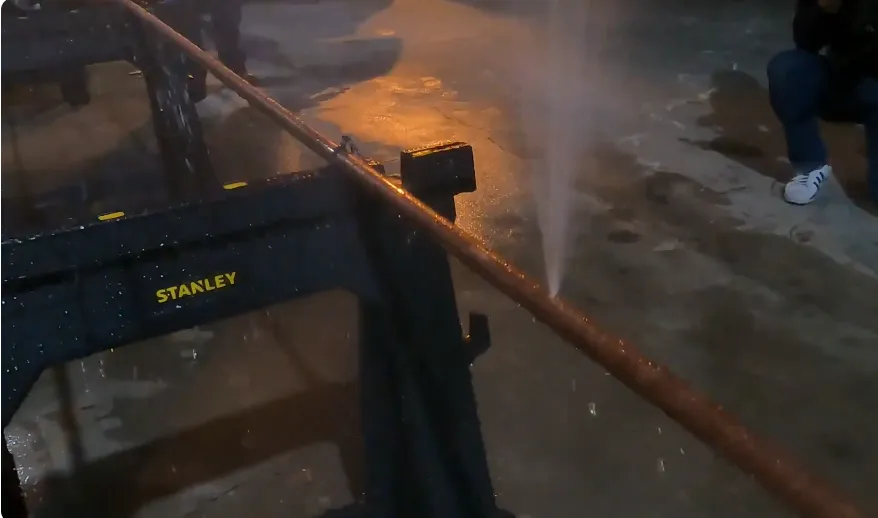
- Water is spraying or flowing and the fixture valve or main shut-off doesn't stop it.
- Water is near electricity: the breaker panel, outlets, an electric water heater or appliances.
- A ceiling is bulging or sagging with trapped water. Keep people and pets out from underneath it.
- Sewage is backing up into tubs, showers or floor drains.
- You smell gas or hear hissing at a gas line or appliance. Leave first and call your gas supplier or 911 from outside; see gas line testing.
- Water is spreading across floors into other rooms, or soaking into walls.
- It's a business where water threatens stock, equipment or the ability to open in the morning.
It Can Usually Wait Until Morning If…
- Closing the valve under the sink or behind the toilet stopped it.
- You've shut off the main and the area is mopped and drying.
- It's a slow drip into a bucket from a known spot.
- The water bill or meter suggests a hidden leak, but nothing is visibly wet.
- A pool is losing water slowly.
"Can wait" doesn't mean "can ignore". Slow leaks still cause rot, mildew and higher bills, and hidden leaks in walls or under slabs keep growing. Plan to have them found soon.
First Steps While You Decide
- Stop the water. Use the fixture valve if there is one, otherwise the main. Our shut-off valve guide shows where to look.
- Make it safe. If water is near electrical outlets or the panel, turn off power to that area only if you can do it without standing in water.
- Contain it. Towels, buckets and moving furniture and electronics out of the way.
- Relieve a bulging ceiling carefully only if you can do so safely, by puncturing the lowest point with a screwdriver and catching the water in a bucket. Never stand directly under it.
- Document. Take photos and video before cleanup.
Florida Factors That Make Delay Costly
In Plant City's warm, humid climate, wet drywall, carpet pad and cabinets can start growing mold quickly if they aren't dried. During summer storms or hurricane season, a roof or window leak can add to a plumbing problem, and contractors get busy after a storm passes. If water has soaked into building materials, getting the source found and the area drying sooner limits the damage.
What to Have Ready When You Call
- Your ZIP code and address
- Where the water is and roughly how much
- Whether you've shut off the water, and whether that stopped it
- Any safety concern: electricity, ceilings, gas or sewage
Your call is routed to an available local provider who can talk through the situation and arrange emergency leak detection if needed.
Frequently Asked Questions
Should I call at night for a small leak?
If you can stop it with a valve and the area is safe and contained, a small leak can usually wait for morning. If you can't stop it, call.
What if my main shut-off won't close?
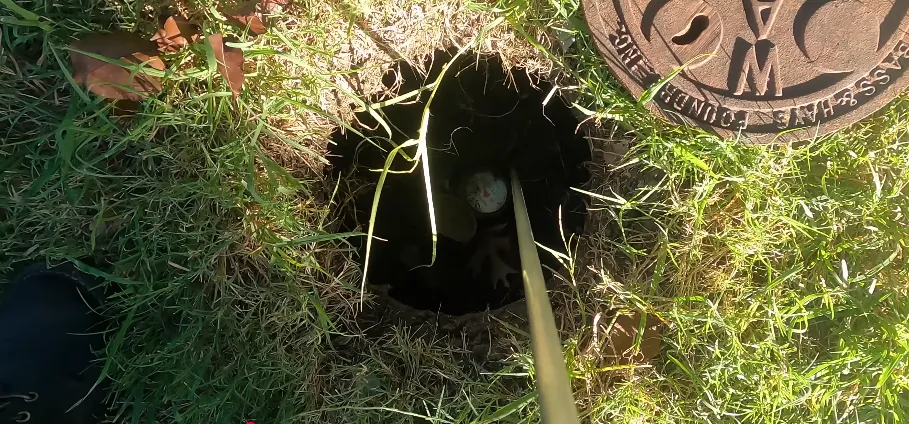
Use the valve in the meter box if you can safely, then call. A stuck main is a reason to have the valve replaced afterward.
Is a sagging ceiling dangerous?
It can be. Keep everyone out from under it, cut power to fixtures in that ceiling, and get help promptly.
Is a sewage backup an emergency?
Yes. Stop using water in the house and call, since sewage carries health risks and spreads quickly.
Can I wait until Monday for a hidden leak?
If nothing is actively flooding, usually yes, but keep the water off when you can and arrange detection soon.