To test a shower for leaks, check the supply lines with a water meter test, then run the shower with the head aimed away from the walls to test the valve and drain, spray the walls only to test grout and caulk, spray the curb and door, and finally plug the drain and flood the floor to test the pan. Watch for dampness outside the shower and below it after each step.
- Test one component at a time.
- Wait and check for dampness after each step before moving on.
- Use a moisture meter if you have one; it's more reliable than touch.
- Don't flood a pan you suspect has already leaked badly; call for testing.
Before You Start
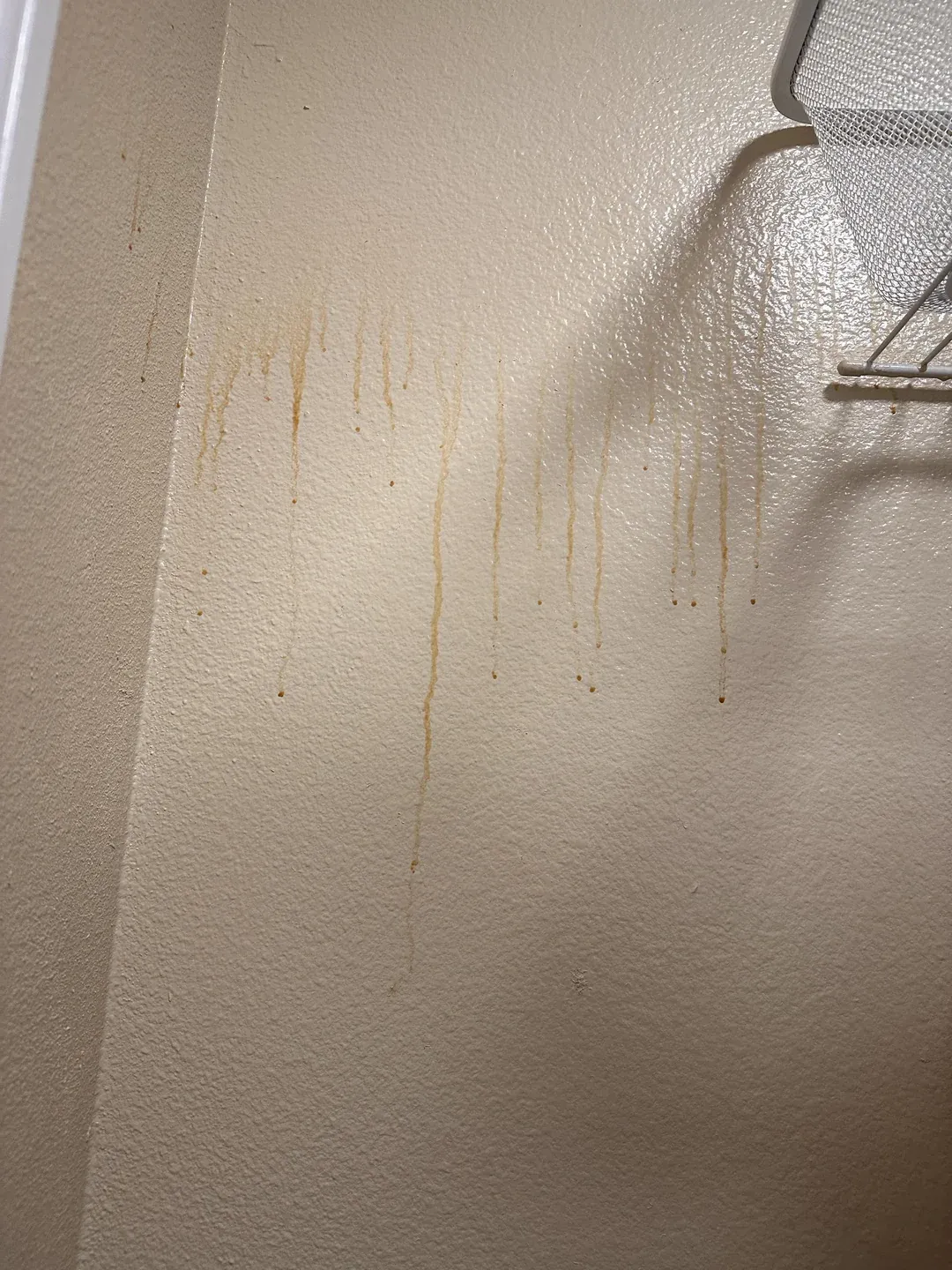
Let the bathroom dry for at least a day so you're starting from a dry baseline. Note any existing stains or damp spots, and photograph them. A simple moisture meter is helpful; you can also use paper towels laid along the floor outside the shower.
Step 1: Test the Supply Lines
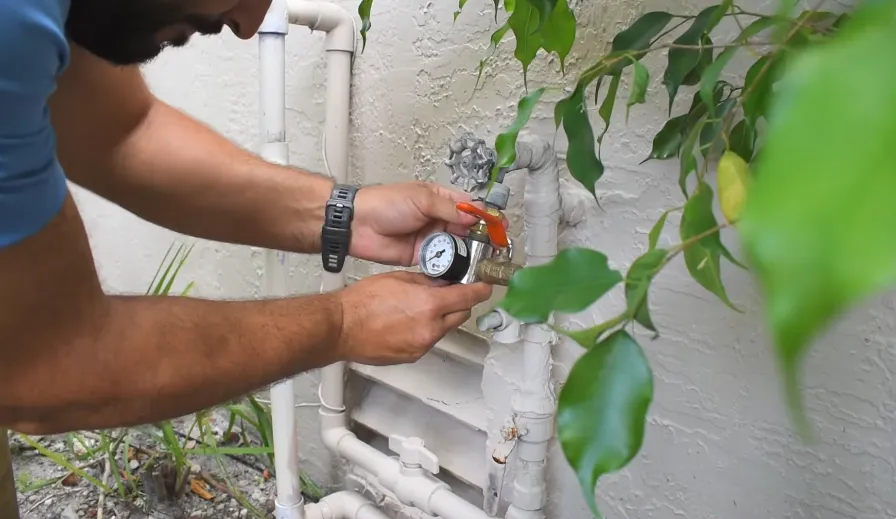
With all water off in the house, do a water meter test. If the meter moves, there's a supply-side leak somewhere, possibly in the shower wall. Supply leaks leak constantly, so they cause damage whether the shower is used or not.
Step 2: Valve and Drain
Remove or point the showerhead straight down into the drain, using a bucket or handheld so water doesn't hit the walls or floor tile much. Run hot and cold for several minutes. Check the wall behind the valve (from an access panel or the adjoining room) and the area below for dampness. Damage here points to the valve, shower arm or drain connection.
Step 3: Walls
Spray only the wall tiles, one wall at a time, for several minutes each, keeping water off the floor as much as possible. Check behind and below. Moisture appearing after a wall test points to grout or caulk on that wall. See grout vs. shower pan leaks.
Step 4: Curb and Door
Spray the curb top and the door seals or curtain area. Check outside the curb for water. Failed caulk at the curb is a very common leak point.
Step 5: Flood Test the Pan
- Plug the drain with a test plug or a balloon-style plug.
- Fill the floor with water to just below the curb, without overflowing.
- Mark the water level with tape.
- Wait several hours; professionals often wait longer.
- Check the water level and the area outside and below the shower.
A dropping level, or dampness outside, points to a pan leak. Some water absorption by grout and mortar causes a slight drop at first, which is why professionals use longer tests and moisture readings.
Careful: If you already suspect a significant pan leak, flooding the floor adds more water to the slab or subfloor. It may be better to have it tested professionally.
When to Call a Pro
If your tests are inconclusive, if the damage is spreading, or if you're in a second-floor bathroom over living space, call for shower pan leak detection. A provider uses controlled flood tests, moisture mapping and thermal imaging to confirm the source. For more on the signs, see shower pan leak signs.
Frequently Asked Questions
How long should a shower flood test take?
Several hours at minimum. Professionals often run longer tests and use moisture readings.
Can I flood test a shower with a glass door?
Yes, as long as the curb is high enough and you don't overfill.
Why test the walls separately?
Wall grout and caulk leaks look similar to pan leaks. Separate tests show which is responsible.
What if the meter moves during the supply test?
There's a supply leak somewhere, possibly in the shower wall, which needs pinpointing.
Is a moisture meter worth buying?
It makes these tests much more reliable than checking by touch.