Hard water carries dissolved calcium and magnesium, picked up as groundwater moves through limestone in the Floridan aquifer, which supplies the Plant City area. As water heats or evaporates, minerals deposit as scale. Scale wears out valve seals and cartridges, causes toilet flappers and fill valves to fail, builds up in water heaters and tankless units, and can stress relief valves, all of which can cause leaks.
- Scale damages seals, cartridges and valves, which then leak.
- Water heaters, tankless units and toilets are hit hardest.
- A water softener or scale-reduction system can reduce buildup.
- Regular flushing and fixture maintenance extend component life.
Why Plant City Water Is Hard
Groundwater in this part of Florida comes from the Floridan aquifer, which flows through limestone. As water moves through the rock, it dissolves minerals, mainly calcium and magnesium. Whether you're on city water or a private well, water from this source tends to be mineral-rich. Well water hardness and chemistry vary from property to property, so testing well water is worthwhile.
How Hard Water Leads to Leaks
Faucet cartridges and valves. Scale on moving parts and seals keeps them from closing tightly, so faucets drip.
Toilet parts. Mineral deposits on flappers and fill valves prevent a good seal, causing running toilets. See toilet and silent leaks.
Water heaters. Sediment builds up in the tank bottom, overheating it and stressing the tank. Relief valves can scale up and drip. See water heater pans and relief valves.
Tankless heaters. Scale clogs and stresses the heat exchanger.
Appliances. Dishwasher and washing machine inlet valves, ice makers and humidifiers can fail from buildup.
Shut-off valves. Rarely used valves scale up and stick, then leak at the stem when finally turned.
What About the Pipes Themselves?
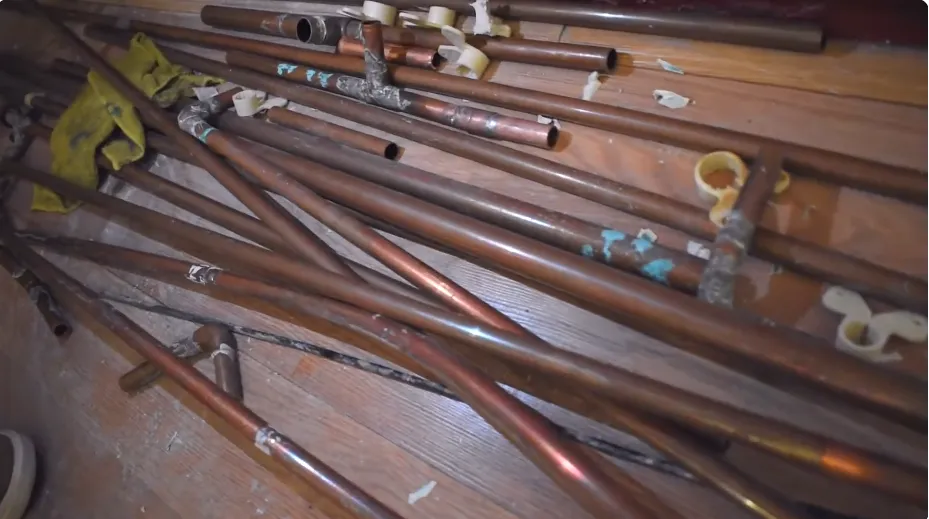
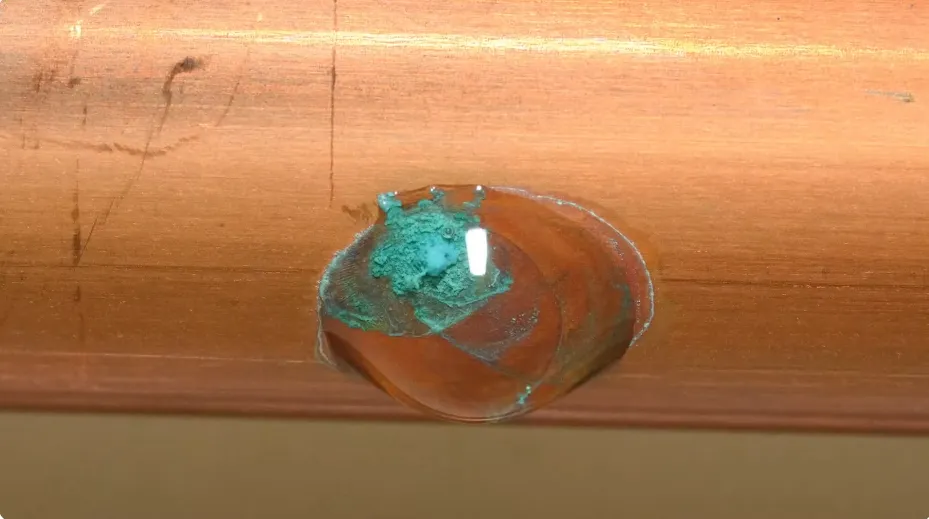
Scale inside pipes mostly reduces flow over time, especially in older galvanized steel. In copper, hardness itself is only one part of the water chemistry that affects corrosion; pH, oxygen and disinfectants also matter. Pinhole leaks have several possible causes; see pinhole leaks in copper pipes.
How to Protect Your Plumbing
- Consider a water softener or scale-reduction system; a water treatment professional can test and recommend options.
- Flush the water heater according to the manufacturer, and descale tankless units.
- Clean aerators and showerheads periodically.
- Exercise shut-off valves twice a year so they don't seize.
- Replace worn flappers and fill valves promptly.
- Check appliance connections during your annual leak checklist.
When a Leak Is Hidden
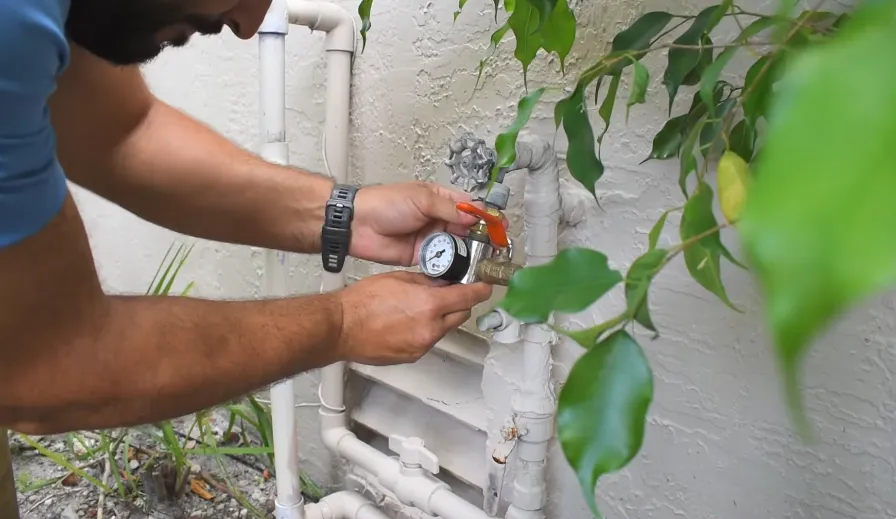
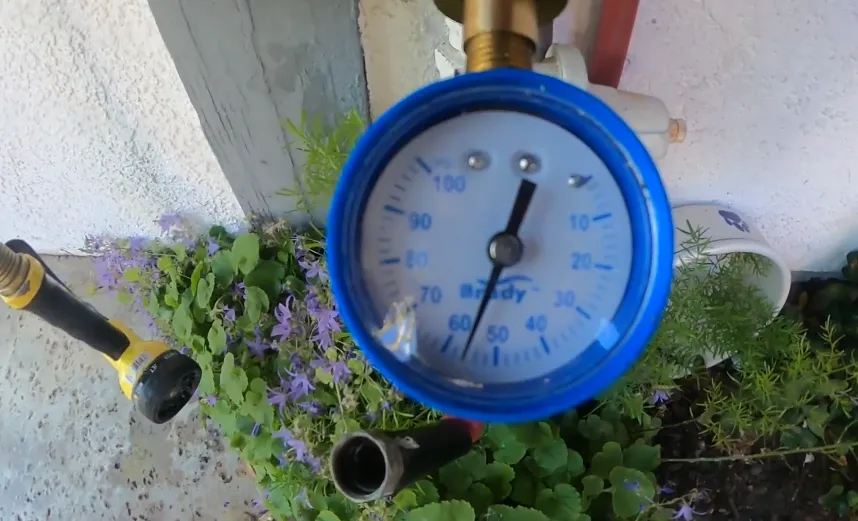
Dripping faucets and running toilets are easy to spot. If your meter moves and you can't find the source, the leak may be in a wall, under the slab or underground. Professional detection pinpoints it. See burst and pinhole pipe leak detection.
Frequently Asked Questions
Is Plant City water hard?
Groundwater in the area comes from the Floridan aquifer through limestone and tends to be mineral-rich. Check your utility's water quality report or test well water.
Does hard water cause pipe leaks?
It mainly causes scale that damages valves, seals and appliances. Pipe corrosion depends on overall water chemistry.
Will a water softener prevent leaks?
It reduces scale buildup, which helps protect fixtures and appliances. It doesn't fix existing leaks.
Why does my toilet keep running?
Mineral buildup on the flapper or fill valve is a common reason in hard water areas.
How do I know my water's hardness?
Utilities publish water quality reports. For wells, a water test gives you exact numbers.